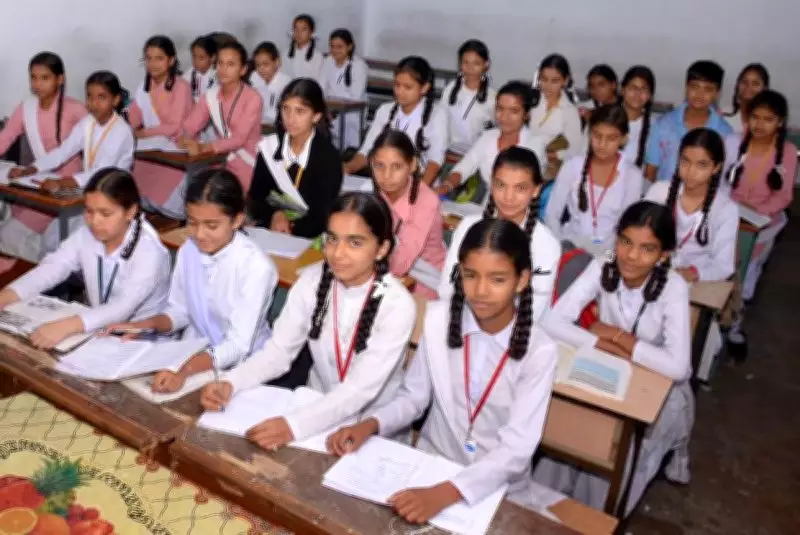
The education landscape in Himachal Pradesh is undergoing a significant transformation as the coaching culture, once confined to major urban centers, rapidly spreads to small towns. This expansion is widening the education divide between students who can afford private coaching and those who cannot, raising critical questions about equitable access to quality learning resources.
Rise of Coaching Centers in Small Towns
In recent years, coaching institutes have mushroomed in small towns across Himachal Pradesh, catering to the growing demand for specialized tutoring in subjects like mathematics, science, and English. These centers often promise better exam results and admission to prestigious institutions, attracting students from nearby villages. However, the fees for these courses can be prohibitive for many families, creating a two-tier system where affluent students gain an advantage over their less privileged peers.
Impact on Government Schools
The proliferation of coaching centers has also put pressure on government schools, which are struggling to retain students and maintain academic standards. Many parents are opting to enroll their children in private coaching alongside regular schooling, leading to a decline in enrollment in public institutions. This trend is exacerbating the resource gap between government and private educational facilities.

Concerns Over Equity
Education experts worry that the coaching culture is deepening social and economic disparities. Students from lower-income families, who cannot afford coaching, are falling behind, particularly in competitive exams. This not only affects their academic prospects but also limits their future career opportunities. The state government has acknowledged these concerns and is exploring measures to provide free or subsidized coaching for underprivileged students.
Government Initiatives and Challenges
The Himachal Pradesh government has launched several initiatives to bridge the education divide, including the introduction of smart classrooms and digital learning platforms in government schools. However, the implementation of these programs faces challenges such as inadequate infrastructure, lack of trained teachers, and connectivity issues in remote areas. Additionally, the growing influence of coaching centers highlights the need for systemic reforms in the public education system.
Role of Technology
Technology is being seen as a potential equalizer, with online learning platforms offering affordable alternatives to traditional coaching. However, access to the internet and digital devices remains uneven, particularly in rural areas. Bridging this digital divide is crucial to ensuring that all students can benefit from technological advancements in education.
Looking Ahead
As coaching culture continues to spread in Himachal Pradesh, stakeholders including policymakers, educators, and parents must work together to ensure that education remains a tool for social mobility rather than a source of inequality. Strengthening public schools, regulating coaching centers, and investing in digital infrastructure are essential steps toward a more equitable education system.