Iran's Revolutionary Guards Issue Dire Warning to US Over Strait of Hormuz Blockade
In a dramatic escalation of geopolitical tensions, Iran's Islamic Revolutionary Guard Corps (IRGC) has issued a stark warning to the United States, threatening to create "deadly whirlpools" in the Strait of Hormuz. This ominous statement comes in direct response to former US President Donald Trump's recent order for a naval blockade of this critical maritime chokepoint, which handles approximately one-fifth of the world's oil shipments.
Trump's Naval Blockade Order Sparks Regional Crisis
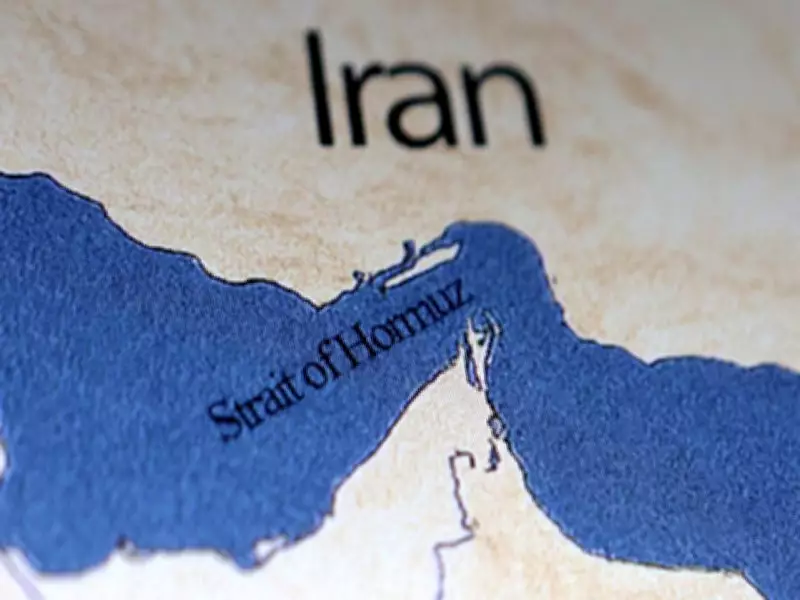
Former President Donald Trump has reportedly directed US naval forces to implement a comprehensive blockade of the Strait of Hormuz, a narrow waterway between the Persian Gulf and the Gulf of Oman. This strategic move aims to exert maximum pressure on Iran by severely restricting its ability to export oil and other commodities, potentially crippling its economy. The blockade order represents a significant intensification of the longstanding adversarial relationship between Washington and Tehran, raising fears of a direct military confrontation in one of the world's most volatile regions.
IRGC's Chilling Response: 'Deadly Whirlpools' Loom
The IRGC, Iran's elite military force, responded to Trump's blockade order with a chilling and unambiguous threat. In an official statement, IRGC commanders warned that any attempt by the US to disrupt maritime traffic through the Strait of Hormuz would be met with forceful retaliation, including the creation of "deadly whirlpools" that could endanger naval vessels and commercial shipping. This metaphorical language suggests Iran's readiness to deploy asymmetric warfare tactics, such as naval mines, fast-attack boats, or other disruptive measures, to counter US military superiority in the area.

Strategic Implications for Global Oil Markets
The escalating standoff over the Strait of Hormuz carries profound implications for global energy security and economic stability. As a vital conduit for oil exports from major producers like Saudi Arabia, Iraq, Kuwait, and the United Arab Emirates, any disruption to shipping in the strait could trigger a sharp spike in oil prices worldwide. This potential crisis underscores the region's outsized influence on the global economy and highlights the risks associated with geopolitical brinkmanship in such a sensitive location.
Historical Context of US-Iran Tensions in the Strait
This latest confrontation is not an isolated incident but part of a long history of US-Iran tensions centered on the Strait of Hormuz. In recent years, both nations have engaged in a series of provocative actions, including Iranian seizures of commercial tankers, US airstrikes on IRGC targets, and repeated threats to close the waterway. The current crisis, however, marks a significant escalation due to the explicit nature of Trump's blockade order and the IRGC's dire warnings, suggesting that the situation could rapidly deteriorate into open conflict.
International Reactions and Diplomatic Fallout
The international community is closely monitoring the unfolding crisis, with key stakeholders expressing deep concern over the potential for a broader regional war. European allies of the US have urged restraint and diplomatic engagement, while regional powers like Saudi Arabia and Israel are likely supporting Washington's hardline stance. Meanwhile, Iran has sought to rally support from other nations, framing the US blockade as an illegal act of aggression that threatens global trade and maritime law.
Potential Scenarios and Future Outlook
As tensions mount, several potential scenarios could emerge from this high-stakes confrontation. These include:

- Limited Naval Clashes: Skirmishes between US and Iranian forces in the strait, resulting in casualties but falling short of all-out war.
- Economic Warfare: Iran retaliating by targeting oil infrastructure in neighboring Gulf states or launching cyberattacks on US interests.
- Diplomatic Resolution: International mediation efforts leading to a de-escalation, though this appears unlikely given the current hardline positions.
- Full-Scale Conflict: A miscalculation or provocation sparking a wider regional war with devastating consequences for global stability.
The situation remains fluid and highly unpredictable, with the risk of accidental escalation posing a constant threat to peace in the Middle East.