In a stark and significant escalation of rhetoric, a senior commander of Iran's regular army has issued a direct warning that the Islamic Republic could launch a preemptive military strike. This move is framed as a necessary response to what Tehran perceives as mounting and unacceptable pressure from the international community.
A Direct Warning from the Iranian Army
The powerful statement was delivered by Major General Abdolrahim Mousavi, the commander-in-chief of Iran's conventional army. He explicitly stated that if the nation's enemies, particularly referencing the Israeli regime, cross Iran's declared "red lines," the response will be decisive and unforgiving. Mousavi emphasized that Iran's strategic patience should not be mistaken for weakness, and its armed forces are in a state of high readiness.
"We will not wait for the enemy to strike us," General Mousavi declared, outlining a doctrine of proactive defense. He argued that waiting for an adversary to act first could place the country at a severe strategic disadvantage. Therefore, if intelligence and situational awareness indicate an imminent threat, Iranian forces reserve the right to act first to neutralize that danger.

The Context of Escalating International Pressure
This warning does not exist in a vacuum. It comes against a backdrop of intense geopolitical strain. The international community, led by Western powers, has significantly increased pressure on Iran over several critical issues. The primary points of contention include:
- Iran's nuclear program: Stalled negotiations to revive the 2015 nuclear deal (JCPOA) and concerns over uranium enrichment levels.
- Regional proxy activities: Iran's support for militant groups across the Middle East, which nations like Israel and the United States view as destabilizing.
- Military partnerships: Growing military cooperation between Iran and global powers like Russia, including drone supplies for the war in Ukraine.
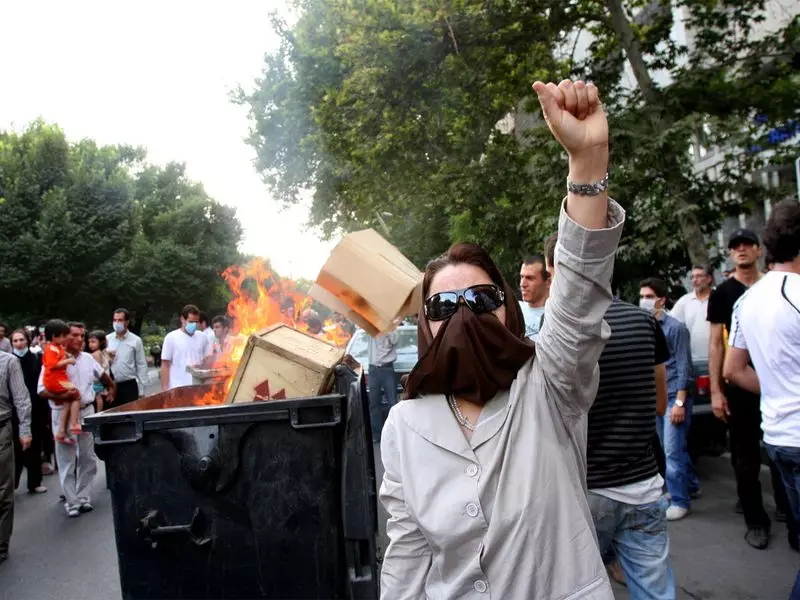
- Internal unrest: Ongoing domestic protests and the government's handling of dissent, which have drawn widespread condemnation.
General Mousavi's statement is interpreted as a direct pushback against this multifaceted pressure campaign. It signals Tehran's intention to move from a defensive to a potentially offensive posture if it feels cornered.
Implications for Regional and Global Security
The public declaration of a preemptive strike doctrine by a top Iranian military official marks a dangerous new phase in regional tensions. It significantly raises the stakes for any perceived provocation, particularly for Israel, which was directly named in the commander's remarks.
Analysts suggest this rhetoric serves multiple purposes for Iran. Firstly, it is a message of deterrence aimed at adversaries, warning them that the cost of any military action will be high. Secondly, it is likely intended for a domestic audience, projecting strength and resolve in the face of external threats to bolster national unity. Finally, it positions Iran as a formidable power that cannot be easily coerced, strengthening its hand in any future diplomatic negotiations.
However, the risk of miscalculation is now profoundly heightened. In a volatile region where incidents can spiral quickly, the explicit threat of preemptive action removes a layer of strategic ambiguity. It places the onus on all actors to exercise extreme caution, as any move could be interpreted as crossing the ambiguous "red lines" cited by Iran, potentially triggering an immediate and severe response.
The international community, including major powers, will be closely monitoring Iran's next moves. The warning from Major General Mousavi underscores that the path of escalating pressure carries the very real risk of triggering the conflict it seeks to avoid, making the search for diplomatic off-ramps more urgent than ever.