Saif al-Islam Gaddafi Confirmed Dead in Western Libya Armed Attack
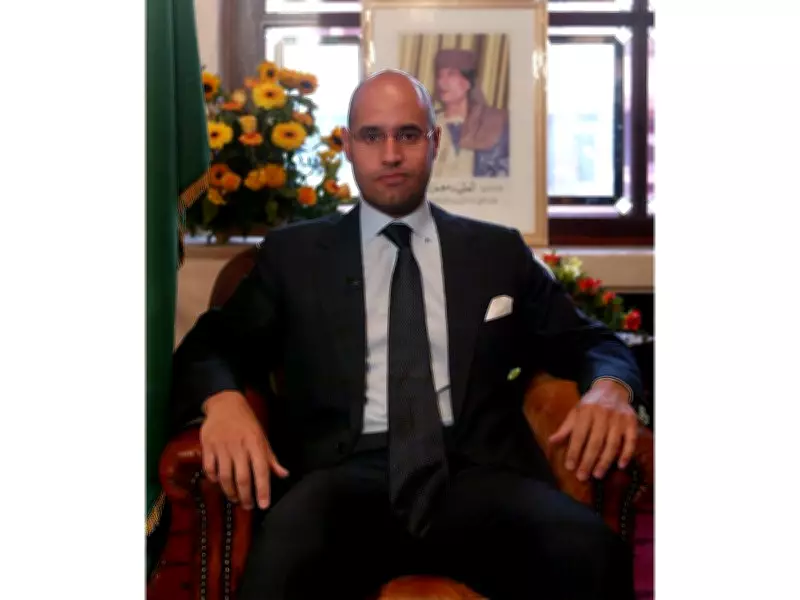
In a development that underscores the ongoing instability in Libya, Saif al-Islam Gaddafi, the prominent son of former Libyan leader Muammar Gaddafi, has been confirmed dead after an armed attack in western Libya. This incident adds another layer of complexity to the nation's protracted conflict and political fragmentation.
Details of the Armed Attack in Western Libya
The attack occurred in the western region of Libya, an area that has witnessed frequent clashes and security breaches in recent years. According to initial reports, the armed assault targeted a location where Saif al-Islam was present, resulting in his death. The exact circumstances surrounding the attack, including the perpetrators and their motives, remain under investigation by local authorities.
This event highlights the persistent violence that plagues Libya, more than a decade after the overthrow of Muammar Gaddafi's regime in 2011. The western part of the country, in particular, has been a hotspot for militia activities and inter-factional strife, complicating efforts to establish a unified government.

Background on Saif al-Islam Gaddafi and His Role in Libyan Politics
Saif al-Islam Gaddafi was once considered a potential successor to his father, Muammar Gaddafi, who ruled Libya for over four decades until his death in 2011. Known for his involvement in international diplomacy and domestic reforms during his father's rule, Saif al-Islam played a key role in Libya's political landscape.
Following the 2011 revolution, he faced arrest and was sentenced to death in absentia by a Libyan court in 2015 for crimes related to the suppression of protests. However, he was later released in 2017 amid the chaos of the civil war and had been reportedly involved in efforts to re-enter Libyan politics, aligning with various factions in the east and west.
His death marks the end of a controversial figure who symbolized both the old regime and the ongoing struggles for power in post-Gaddafi Libya. Analysts suggest that this could influence the dynamics among competing groups, especially those vying for control in the western regions.
Implications for Libya's Future and Regional Stability
The confirmation of Saif al-Islam Gaddafi's death is likely to have significant repercussions for Libya's fragile political environment. As the country remains divided between rival governments in the east and west, his elimination could alter alliances and trigger further violence among militias and political factions.
Moreover, this incident raises concerns about the broader security situation in North Africa and the Mediterranean region. Libya's instability has often spilled over into neighboring countries, affecting migration routes and enabling the proliferation of armed groups.
International observers are closely monitoring the situation, emphasizing the need for a cohesive peace process to address the root causes of Libya's conflict. The death of such a high-profile figure may either catalyze negotiations or exacerbate existing tensions, depending on how various stakeholders respond.
In summary, the armed attack that killed Saif al-Islam Gaddafi in western Libya is a stark reminder of the nation's unending turmoil. It underscores the challenges in achieving lasting peace and stability, as Libya continues to grapple with the legacy of its past and the complexities of its present-day divisions.