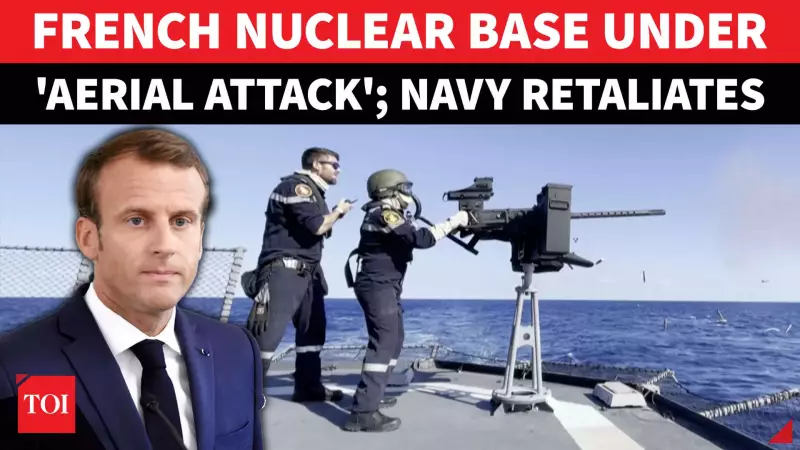
The French military was forced into dramatic action after a fleet of unidentified drones brazenly breached the airspace of one of the nation's most secretive and heavily guarded facilities. The incident has sent shockwaves through European security circles and prompted a major legal and operational response.
Drones Over the Nuclear Fortress: What Happened at Île Longue?
In the early hours of December 6, 2025, the French Navy detected five mysterious drones operating over the Île Longue nuclear submarine base in Brittany. This restricted site is not a regular military installation; it is the home port for France's fleet of ballistic missile submarines, which form the cornerstone of the country's nuclear deterrent capability. In response to the unprecedented intrusion, security forces stationed at the base opened fire on the unmanned aerial vehicles. The immediate outcome of the engagement—whether any drones were shot down—remains unclear as authorities have launched a full-scale legal investigation into the breach.
A Pattern of Provocation: Europe's Growing Drone Threat
This alarming event at Île Longue is not an isolated case. It fits into a disturbing pattern of similar drone incursions reported across NATO countries in recent months. These incidents are raising urgent and serious concerns among defense officials about the rise of hybrid warfare tactics, where state or non-state actors use covert, non-conventional means to probe, harass, and gather intelligence on critical national infrastructure. The deliberate targeting of a nuclear weapons facility represents a significant and dangerous escalation in this shadowy conflict.

Key questions now dominate the investigation:
- Who orchestrated the drone swarm over Île Longue?
- Was the mission one of surveillance, a test of response protocols, or a deliberate act of provocation?
- Does this mark the beginning of a new, more aggressive phase of covert activity against Western military assets?
Security on High Alert: The Fallout and Future Implications
The French authorities, along with their NATO allies, are under immense pressure to identify the perpetrators behind this latest security breach. The incident exposes potential vulnerabilities in even the most secure defense installations and highlights the evolving nature of modern threats. While no damage to the nuclear submarines or related infrastructure has been reported, the psychological and strategic impact is substantial.
This event serves as a stark reminder that the battlefield has expanded to include the skies above sensitive military sites. It will likely force a rapid reassessment of anti-drone defense systems and prompt closer intelligence coordination among European nations. The message from the Île Longue incident is clear: the era of drone-based probing of critical national security assets is well underway, and democracies are scrambling to craft an effective response.