

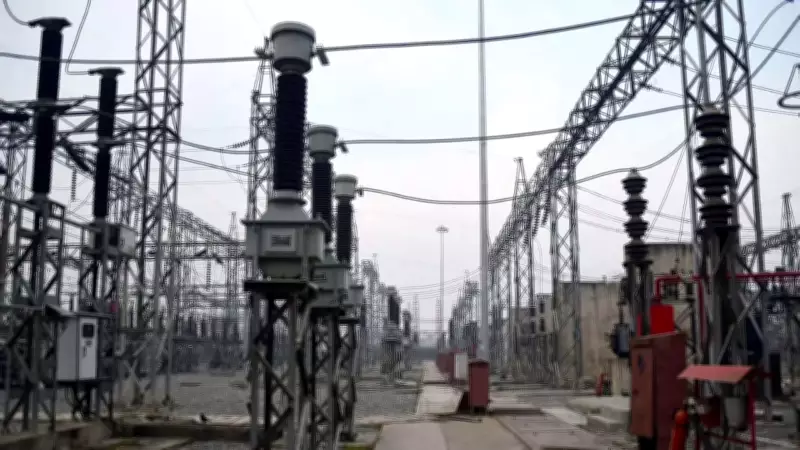
New Delhi is confronting a growing power supply concern as gas-based power plants in the national capital are operating far below their installed capacity. This situation arises from an acute shortage of natural gas and soaring fuel prices, which have been exacerbated by the global energy crisis following the West Asia conflict.
Record Peak Electricity Demand
The city's peak electricity demand crossed 7,000 MW for the first time in April, reaching 7,078 MW on Monday afternoon. This surpassed the previous record of 6,650 MW set just a day earlier, according to data from the State Load Dispatch Centre (SLDC). The surge in demand has put significant pressure on local generation, particularly on gas-based plants that are struggling to operate efficiently.
Impact on Major Power Stations
The worst affected is the Pragati-III power station, which has an installed capacity of 1,371 MW but is currently generating only about 270 MW, said a senior government official. Officials noted that the plant requires nearly 5.6 MMSCMD of natural gas to function at full capacity, but supply constraints have severely impacted its output.

Similarly, the Pragati-I power station, with a capacity of 330 MW, is producing just about 142 MW. A smaller gas turbine power station is generating nearly 37 MW against its 90 MW capacity.
Rising Fuel Costs and Economic Viability
Officials pointed out that energy supply chains have been disrupted due to the conflict, causing gas prices that once ranged between $7 and $12 per MMBtu to surge to $18-24 per MMBtu. This makes power generation significantly more expensive. One official explained, "The economics simply do not support full-scale generation at these prices. In such conditions, it would be too costly to justify running plants at full capacity because that could lead to a price hike."
Another official added that the SLDC, which manages electricity distribution in Delhi, has been cautious in scheduling power from these plants. Since gas-based electricity is currently more expensive compared to other sources, the SLDC prioritizes cheaper alternatives and only calls upon these plants during peak demand or emergencies.
Early Summer Heat Driving Demand
This situation comes at a critical time when Delhi's electricity demand is rising sharply due to increasing temperatures and early summer conditions. The reliance on external power sources has grown. This is the earliest in the year that a demand as high as 7,000 MW has been recorded in the city. Power demand first crossed 7,000 MW in July 2018, while in 2024 and 2025, the figure was reached in May. This year's early spike reflects a pronounced shift driven by intense heat and rising cooling needs across households and commercial spaces.
An official stated that this would not affect Delhi's power supply much, as only 15% of the total power purchase is sourced from own generation by Delhi government power plants, while 85% is purchased from central government and other sources externally. However, he noted, "In extreme heat, we produce more using market rate or spot prices, which is costlier."






