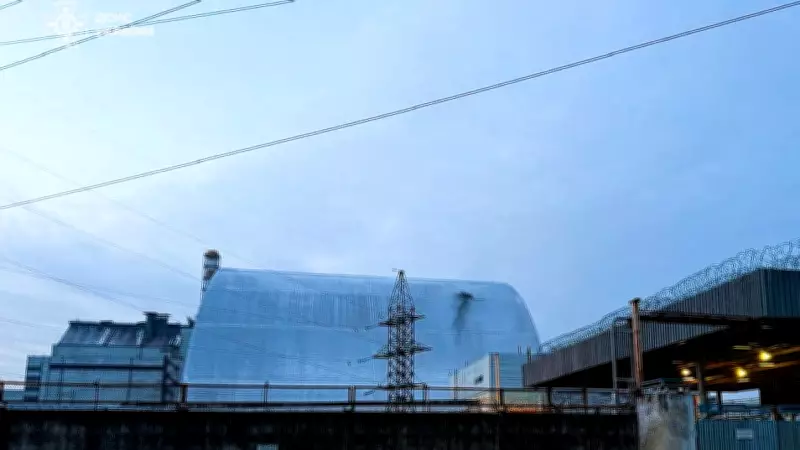
Forty years after the Chernobyl nuclear disaster, war has layered another catastrophe on the contaminated zone. Ideas have been floated for how the area could bring economic benefits to Ukraine, but for the foreseeable future, it will remain an army-controlled security belt.
From Exclusion Zone to Conflict Zone
The Chernobyl Exclusion Zone, established after the 1986 nuclear meltdown, has become a focal point of military activity following the Russian invasion of Ukraine. The area, once a symbol of nuclear disaster, now serves as a strategic buffer zone.
Economic Hopes Dashed
Prior to the war, there were proposals to repurpose the zone for renewable energy projects, tourism, or even agriculture. However, the ongoing conflict has rendered these plans unfeasible. The presence of mines, trenches, and military checkpoints has transformed the landscape.

Environmental and Health Risks
The war has also raised concerns about the potential for radioactive dust to be stirred up by explosions or military movements. Monitoring stations have been damaged, and access for scientists is restricted. The long-term impact on the environment and human health remains uncertain.
A New Reality
For now, the Chernobyl zone is a militarized area, with Ukrainian forces using it as a defensive line. The idea of economic revival has been replaced by the immediate need for security. The zone's future will depend on the outcome of the war and the international community's willingness to invest in its rehabilitation.