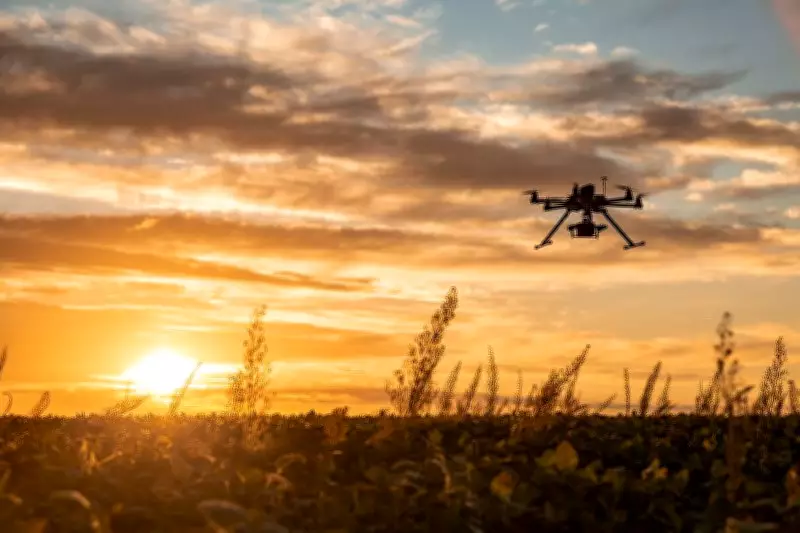
The Border Security Force (BSF) is significantly enhancing its counter-drone tactics along the India-Pakistan border to address the growing threat of unmanned aerial vehicles used for smuggling weapons, drugs, and even potential terrorist attacks. The force has deployed a multi-layered approach combining advanced detection systems, electronic jammers, and specialized training for personnel.
Rising Drone Threats
In recent years, drones have become a preferred tool for cross-border smuggling, with Pakistan-based operatives using them to drop contraband into Indian territory. The BSF has reported a sharp increase in drone sightings, particularly in Punjab and Jammu sectors. These drones are often equipped with cameras and can carry payloads of up to several kilograms, making them a serious security concern.
Technological Upgrades
To counter this, the BSF has integrated radar systems capable of detecting small drones at long ranges. These are linked to command centers where operators can track and identify threats in real time. Additionally, the force has deployed radio frequency jammers that can disrupt drone communication, forcing them to land or return to their origin point. Some units are also testing laser-based systems to physically disable drones mid-flight.

Training and Drills
Specialized counter-drone training has been imparted to BSF personnel, including marksmanship exercises to shoot down low-flying drones and simulation-based drills for electronic warfare. Joint exercises with the Indian Army and Air Force have also been conducted to refine coordination and response protocols. The BSF has set up dedicated anti-drone teams at sensitive border outposts.
Operational Impact
These measures have already yielded results. In the past year, the BSF has intercepted over 50 drones along the Pakistan border, recovering large quantities of heroin, arms, and ammunition. The force has also neutralized several drones through jamming and physical interception, preventing them from completing their missions. Officials believe that the enhanced tactics are deterring smugglers and forcing them to adopt riskier methods.
Future Plans
Looking ahead, the BSF plans to deploy artificial intelligence-based systems that can automatically classify drone types and predict their flight paths. It is also exploring the use of anti-drone nets and shotgun shells designed for aerial targets. The force is coordinating with the Ministry of Home Affairs to procure more advanced equipment and expand the coverage of counter-drone systems along the entire western border.
The evolving drone threat requires constant innovation, and the BSF remains committed to staying ahead of adversaries. The new tactics are part of a broader strategy to secure India's borders in an age of asymmetric warfare.