In a coordinated pre-dawn assault, attackers targeted multiple fuel stations across Thailand's insurgency-plagued southern provinces early Sunday, leaving four people injured. The bombings, which occurred almost simultaneously, have raised security alarms ahead of local administrative elections.
Coordinated Attacks Across Three Provinces
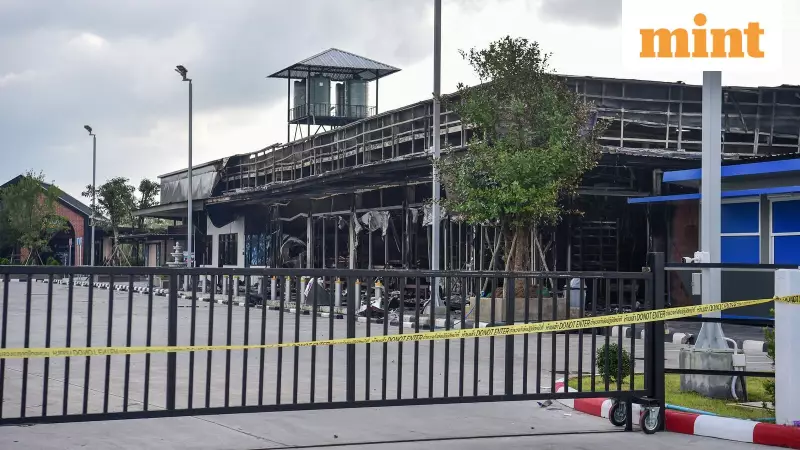
According to the Thai army, assailants set off explosives at approximately eleven petrol stations in the provinces of Yala, Pattani, and Narathiwat. The blasts took place within a tight 40-minute window starting at midnight, sparking fires and damaging infrastructure.
Narathiwat Governor Boonchauy Homyamyen provided details to local media, stating, "A group of an unknown number of men came and detonated bombs which damaged fuel pumps." The attacks happened with alarming synchronicity, indicating a high level of planning.

Casualties and Immediate Aftermath
The violence resulted in four non-life-threatening injuries. In Pattani, two station workers and a firefighter were hurt. In Narathiwat, one police officer was among the wounded. A Thai army representative confirmed to AFP that all victims were hospitalized and are in stable condition.
No group has immediately claimed responsibility for the strikes, and officials have not named any suspects. This ambiguity is common in the long-running conflict in the region.
Political Signal or Insurgent Escalation?
Thai Prime Minister Anutin Charnvirakul addressed the media, suggesting that preliminary assessments from security agencies point to the attacks being a deliberate "signal" timed with Sunday's local elections, rather than a major escalation of insurgent activity.
In response, regional commander Narathip Phoynok announced that security has been heightened to the "maximum level" across the area. This includes tightened border controls and an increase in road checkpoints to prevent further incidents.
This latest wave of violence underscores the persistent instability in Thailand's deep south. Since 2004, a low-scale but deadly insurgency has claimed thousands of lives. Ethnic Malay Muslim militants in this culturally distinct region, which was annexed by Buddhist-majority Thailand over a century ago, continue to fight for greater autonomy. Security forces remain a primary target for rebel activity.
Broader Regional Security Context
Separately, Prime Minister Anutin also called for a major overhaul of two-decade-old border agreements with Cambodia. He stated that the 2000 and 2001 Memorandums of Understanding (MoUs) concerning land and maritime boundaries are now obsolete and need revision with modern technology and legal standards.
However, he clarified that his caretaker government cannot enact binding changes before the upcoming elections, with its current role being to maintain stability. He noted that the situation along the Thai-Cambodian border is currently calm but under vigilant watch.
The twin issues of southern violence and border disputes are becoming focal points as Thailand's political factions campaign, highlighting the complex security challenges facing the nation.