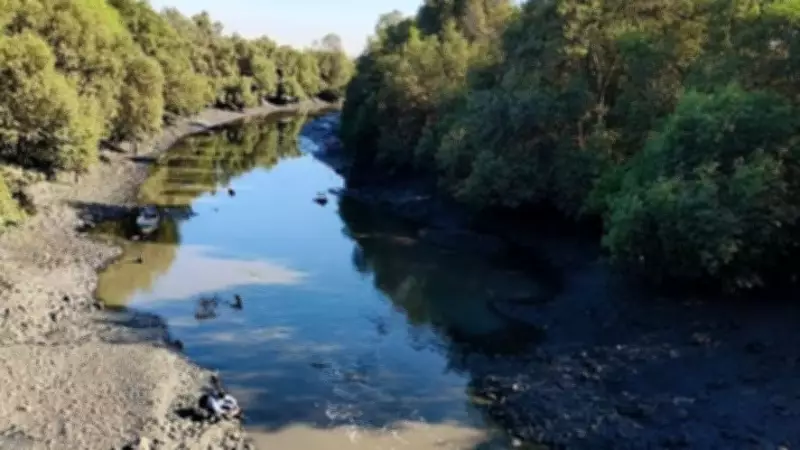
Toxic Drain Water Pollutes DPS Flamingo Lake in Navi Mumbai, STP Quality Under Scrutiny
In a concerning environmental incident, toxic drain water has been found flowing into the DPS Flamingo Lake in Navi Mumbai, raising urgent questions about the quality and effectiveness of local sewage treatment plants (STPs). The contamination was detected through recent tests, which revealed a highly alkaline pH level of 9.12, indicating water that is severely disruptive to aquatic ecosystems and wetland ecology.
Alarming Water Quality Findings
The test results, showing a pH of 9.12, point to water that is not only toxic but also highly alkaline. Such conditions can have devastating effects on aquatic life, including fish, plants, and microorganisms that rely on balanced pH levels for survival. The wetland ecology of the area, which supports diverse flora and fauna, is now at significant risk due to this pollution.
Key impacts of the alkaline water include:

- Disruption of aquatic habitats and breeding grounds
- Potential harm to flamingos and other bird species that frequent the lake
- Long-term damage to soil and vegetation in the surrounding wetland areas
Questions Over Sewage Treatment Plant Standards
This incident has sparked serious concerns about the operational standards and maintenance of sewage treatment plants in Navi Mumbai. Residents and environmental activists are demanding answers on how such toxic water could bypass or fail to be treated adequately by the STPs, leading to its discharge into sensitive ecological zones like the DPS Flamingo Lake.
Authorities are under pressure to investigate the source of the contamination and assess whether there have been lapses in monitoring or compliance with environmental regulations. The situation highlights broader issues in urban water management and the need for stricter oversight to prevent similar occurrences in the future.
Broader Environmental and Health Implications
Beyond the immediate threat to wildlife, the pollution of DPS Flamingo Lake poses potential health risks to nearby communities. Contaminated water can lead to the spread of diseases and affect local water sources, underscoring the importance of prompt action to mitigate the damage.
Environmental experts emphasize that restoring the lake's water quality will require coordinated efforts, including:
- Immediate cessation of the toxic inflow
- Comprehensive cleanup and remediation measures
- Enhanced monitoring of STP outputs to ensure compliance with safety standards
As the investigation unfolds, stakeholders are calling for transparency and accountability to safeguard Navi Mumbai's natural resources and prevent future environmental disasters.