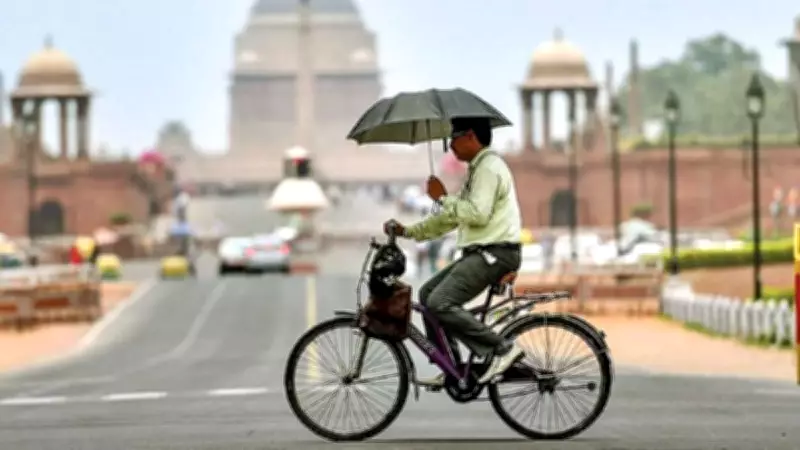
As Delhi-NCR braces for an intense heatwave in 2026, health experts are warning residents about the risks of heatstroke and dehydration. With temperatures soaring above 45 degrees Celsius in many parts of the region, it is crucial to recognize the early signs of heat-related illnesses and adopt preventive measures.
Understanding Heatstroke: Symptoms to Watch For
Heatstroke is a severe condition that occurs when the body's temperature regulation fails, leading to a rapid rise in core body temperature. Common symptoms include high body temperature (above 40 degrees Celsius), altered mental state or confusion, hot and dry skin (lack of sweating), rapid pulse, headache, dizziness, and nausea. If you or someone around you experiences these signs, immediate medical attention is necessary.
How Much Water Should You Drink Daily?
During a heatwave, staying hydrated is paramount. While the general recommendation is eight glasses of water per day, during extreme heat, experts suggest increasing intake to 10-12 glasses (about 2.5 to 3 liters). However, individual needs may vary based on activity level, age, and health conditions. It is advisable to drink water at regular intervals rather than waiting until you feel thirsty.

Daily Habits to Stay Safe in the Heat
- Avoid going outdoors during peak hours (11 a.m. to 4 p.m.) when the sun is strongest.
- Wear lightweight, light-colored, and loose-fitting clothes to help your body stay cool.
- Use sunscreen with SPF 30 or higher to protect your skin from harmful UV rays.
- Take cool showers or baths to lower your body temperature.
- Eat small, frequent meals and avoid high-protein foods that increase metabolic heat.
- Never leave children or pets in parked vehicles, as temperatures inside can rise rapidly.
Who Is at Higher Risk?
Certain groups are more vulnerable to heatstroke, including infants and young children, elderly individuals, people with chronic illnesses like heart disease or diabetes, and those who work outdoors. It is important to check on elderly neighbors and relatives regularly during a heatwave.
What to Do If Someone Shows Signs of Heatstroke
If you suspect heatstroke, call emergency services immediately. While waiting for help, move the person to a shaded or air-conditioned area, remove excess clothing, and cool them down with wet cloths or a cool bath. Do not give them fluids if they are unconscious.
By staying informed and taking proactive steps, residents of Delhi-NCR can protect themselves and their loved ones from the dangers of the 2026 heatwave.