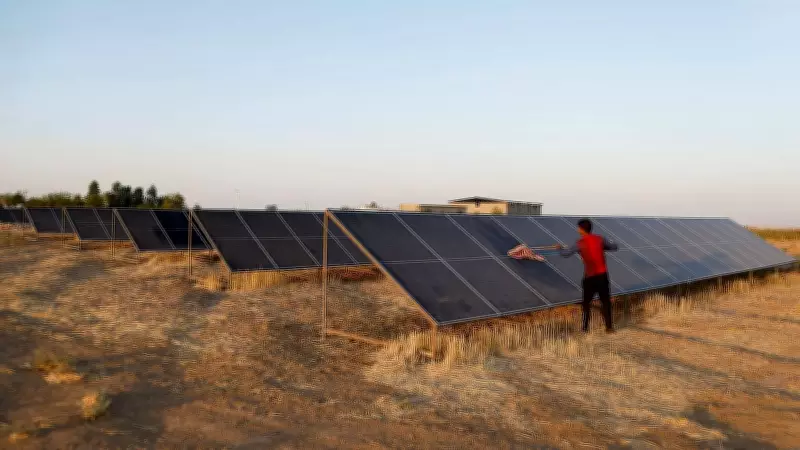
Solar Energy Offers ASEAN Major Cost Savings Over Natural Gas
A groundbreaking analysis indicates that solar power could fulfill the new electricity requirements of the Association of Southeast Asian Nations (ASEAN) at approximately half the expense of natural gas. This strategic shift has the potential to generate staggering savings of up to USD 67 billion for the region's economies.
Disruptions in LNG Supply Intensify Energy Market Volatility
The report underscores how recent geopolitical and production crises have severely disrupted energy markets across Southeast and East Asia. Specifically, the closure of the critical Strait of Hormuz and a significant halt in liquefied natural gas (LNG) production from Qatar have sent shockwaves through the sector. These events have highlighted the vulnerabilities associated with reliance on fossil fuel imports and have accelerated the search for more stable and economical alternatives.
Comparative Cost Analysis Favors Renewable Investment
The financial analysis conducted reveals a stark contrast between the levelized cost of energy from solar photovoltaic installations and that from new natural gas-fired power plants. Solar energy emerges as the far more cost-competitive option, not only in terms of initial investment but also when considering long-term operational expenses and price stability. This economic advantage is particularly pronounced in the sun-rich ASEAN region, which possesses abundant solar resources.

- Solar power can meet incremental power demand at roughly 50% of the cost of new gas capacity.
- Potential cumulative savings for ASEAN nations could reach USD 67 billion.
- The savings would stem from reduced capital expenditure, lower fuel costs, and decreased exposure to volatile international gas markets.
Strategic Implications for ASEAN's Energy Future
This analysis presents a compelling economic case for ASEAN member states to prioritize solar energy in their national power development plans. By pivoting towards domestic renewable resources, countries can enhance their energy security, insulate themselves from external supply shocks, and achieve substantial fiscal savings. The report suggests that redirecting investments from gas infrastructure to solar projects could unlock these billions in savings, funds that could be reallocated to other critical areas of development.
The findings advocate for a rapid and decisive policy shift to capitalize on the falling costs of solar technology and the inherent economic and security benefits it offers over traditional fossil fuels like natural gas.