National Green Tribunal Admits Plea Against Illegal Wetland Exploitation in Kolkata
KOLKATA: A significant environmental application has been formally filed before the Eastern Bench of the National Green Tribunal (NGT), raising serious allegations of illegal filling, unauthorized conversion, and commercial exploitation of vital wetlands located in Karimpur Mouza under the jurisdiction of Narendrapur Police Station in South 24 Parganas district.
Protected Ramsar Site Under Threat
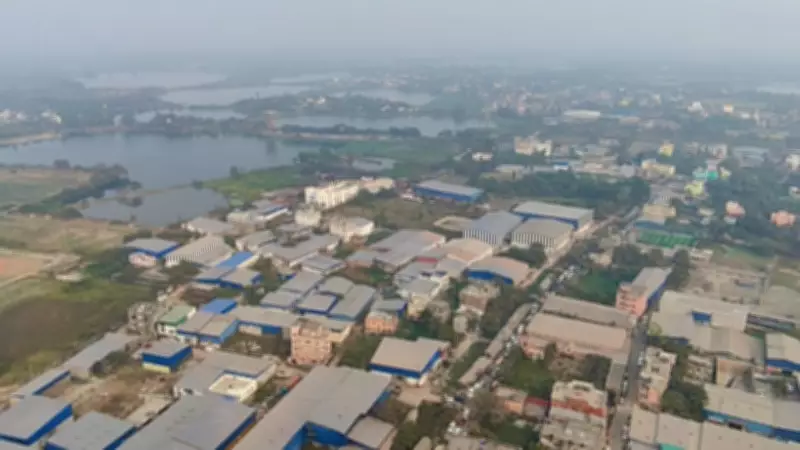
These wetlands constitute an integral part of the expansive East Kolkata Wetlands, which hold the prestigious designation of a Ramsar site—an internationally recognized wetland of immense ecological importance. The application was submitted by a dedicated green activist, prompted by investigative reporting from The Times of India that uncovered the existence of over two dozen large warehouses and an extensive network of roads within the East Kolkata Wetlands (EKW).
This protected area strictly prohibits any form of land use conversion, making these developments particularly alarming. The gravity of the situation was tragically underscored by a devastating fire that engulfed two such illegally constructed sheds, resulting in the loss of at least 27 lives. In a critical revelation, the East Kolkata Wetlands Management Authority (EKWMA) confirmed that it had not granted any permission for the construction of these sheds, which were being used for e-commerce operations, auto servicing, and plywood storage.

Comprehensive Relief Sought by Applicant
The applicant has petitioned the Tribunal for a series of decisive directions aimed at protecting these ecologically sensitive zones. The plea explicitly calls for:
- Immediate measures to safeguard the wetlands from further encroachment, contamination, and pollution.
- An urgent halt to all ongoing construction and land-filling activities in the affected area.
- An order for the demolition and removal of all illegal constructions, pending the findings of a proposed joint committee and a thorough demarcation exercise.
Furthermore, the application seeks a rigorous assessment and the imposition of environmental compensation on the responsible private parties, firmly based on the established "polluter pays" principle. It also demands a time-bound plan for the ecological restoration of the filled-up wetland areas. This restoration would involve the complete removal of debris and the revival of the natural hydrology to rehabilitate the ecosystem.
NGT's Preliminary Observations and Next Steps
After a preliminary hearing of the applicant's submissions, the Tribunal observed that the issues raised involve substantial questions relating to the environment. These questions specifically arise from the implementation of enactments listed in Schedule I of the NGT Act, 2010, highlighting the legal and environmental significance of the case.
Consequently, the NGT has ordered that formal notices be issued to all concerned respondents, initiating the legal process. The matter has been scheduled for a detailed hearing on April 8, 2026, marking a critical next step in this environmental legal battle to preserve one of Kolkata's most vital natural assets.