

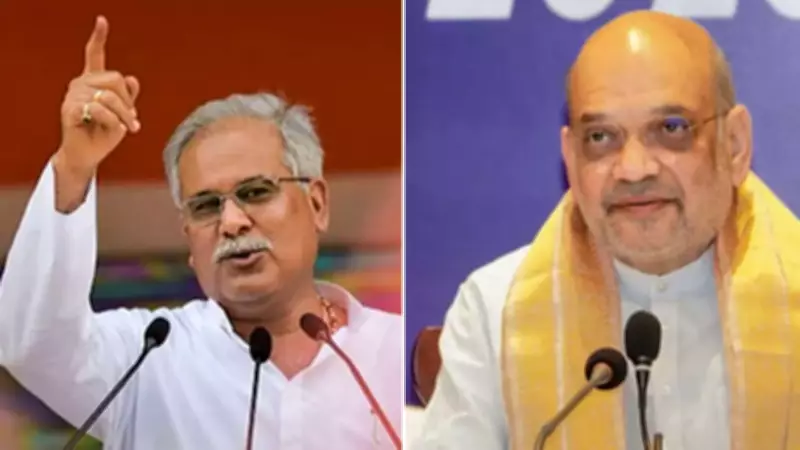
Congress Leader Bhupesh Baghel Levels Serious Allegations Against BJP Government
In a fiery address delivered in Delhi on Thursday, senior Congress leader Bhupesh Baghel launched a scathing critique of the Bharatiya Janata Party (BJP), accusing the ruling party of systematically misusing central investigative agencies to target and intimidate Opposition figures. Baghel's allegations have ignited a fresh political controversy, centering on claims of political weaponization of federal enforcement bodies.
Direct Accusation: Amit Shah's Call and Subsequent Raid
Baghel made a startling revelation, asserting that Home Minister Amit Shah personally contacted him to inquire about ongoing cases against the Congress leader. He detailed that this communication was swiftly followed by a raid conducted by central agencies. "Amit Shah called me, then came the raid," Baghel stated emphatically, framing this sequence as evidence of coordinated political pressure. He argued that such actions demonstrate a pattern where the Enforcement Directorate (ED) and Income Tax (IT) department are deployed not for impartial investigations but as tools to harass political adversaries.
Allegations of 'Washing Machine' Politics and Protection Rackets
Expanding his attack, Baghel coined a provocative metaphor, alleging that the BJP operates a "washing machine" for Opposition leaders. He explained that this implies offers of protection or case dismissal if politicians defect to the ruling party. Baghel firmly declared he had rejected any such overtures, positioning himself as resisting what he termed political coercion. Additionally, he raised pointed questions about the ongoing Mahadev app betting scandal, demanding to know which entities are providing protection to those involved, thereby suggesting deeper malfeasance.

Broader Implications for Indian Democracy and Governance
Baghel's charges touch on critical issues of democratic integrity and institutional independence. By accusing the BJP of leveraging central agencies for political gains, he highlights concerns about the erosion of checks and balances in India's governance framework. His statements underscore a growing narrative among Opposition parties about alleged executive overreach and the need for safeguarding investigative autonomy from political interference.






