

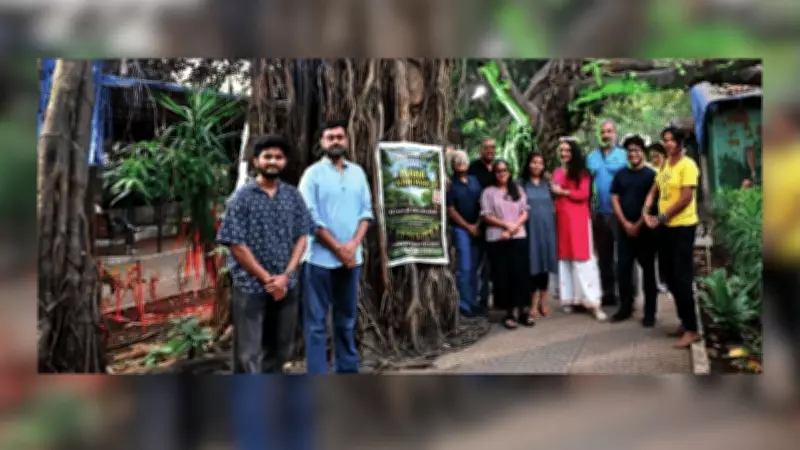
Mumbai's Nani Nani Park Faces Axe: 137 Trees to be Felled for Coastal Road Exit Ramp
A dark cloud looms over the verdant expanse of Nani Nani Park in Versova, Mumbai, but this shadow is not cast by its lush foliage. Instead, it stems from an imminent concrete invasion. Earlier this month, park regulars discovered official notices affixed to numerous tree trunks, each bearing cryptic alphanumeric codes. These tags serve as a grim roll call, identifying trees slated for either felling or transplantation by the Tree Authority. The reason? They must make way for concrete pillars supporting an exit road for the proposed Versova–Bhayander Coastal Road project. Shockingly, more than half of the park's green canopy—137 out of 250 trees—are marked for removal.
A Community's Legacy Under Threat
"It's an ecocide," declares Nandita Puri, former journalist and wife of the late actor Om Puri, her voice filled with indignation. The park holds deep historical significance, rooted in community activism. In the late 1990s, the Puris supported a citizen-led movement to reclaim Versova Beach from encroachers. This effort birthed the Save Versova Beach Association, which later championed the creation and enhancement of local public spaces, including Nani Nani Park, inaugurated in 2001.
"It was the first such park in the suburbs and the second in Mumbai," notes Harinder Bhasin, chairman of the Save Versova Beach Association. "Former state cultural minister Pramod Navalkar, who established the first Nana Nani Park at Girgaum Chowpatty, played a crucial role in setting this one up too."

Through persistent community campaigning, a debris-strewn, encroached-upon strip was transformed into a thriving green oasis. Today, the park serves approximately 400 daily visitors, hosting weekly gatherings like laughter clubs and karaoke sessions. "Some of the singers are quite besura (off-key)," Puri admits with a smile, "but it's still music to our ears."
Unique Park Design and Impending Fragmentation
Nani Nani Park is distinctive in both form and setting—a 530-meter-long, 40-meter-wide green strip that functions as a median along Rayal Savid Link Road, popularly known as Versova Link Road. Seniors and young adults stroll its walking tracks, socialize, utilize the public gym, or watch children play on jungle gyms. Despite its name, it is a park for all ages, but many fear its days are numbered.
The proposed exit ramp threatens to fragment the park with its concrete pillars and cast a perpetual shadow over the remaining greenery with an overhead carriageway. Residents raise critical questions: How will plants survive with drastically reduced sunlight? Some even worry that the entire park may eventually be sacrificed for the road.
Community Opposition and Alternative Proposals
"The park is a place of respite for local residents, while the exit ramp will only serve people passing through," emphasizes Gauran Mehta, secretary of the Save Versova Beach Association. "The road will deny locals their right to a clean environment and destroy an existing ecosystem. We talk of rising pollution levels, yet we create conditions that exacerbate pollution."
On March 9, at a public hearing in the K-West ward office, locals vehemently opposed the plan. Key concerns included the Tree Authority's assertion that none of the park's trees are over 50 years old—a designation that would grant them 'heritage' status with enhanced legal protection. Residents counter that roughly 30 to 35 trees, including a majestic banyan marked for felling, are indeed older than five decades.
The community has proposed an alternative alignment: a 2-kilometer northward extension of the sea link, where the interchange would exit onto JP Road via Shivpujan Sitapati Niwas Road. This route would minimize damage to mangroves and completely spare Nani Nani Park.
A Shift from Citizen Power to Subjecthood
"What made this park unique was that it was born of a purely citizen initiative. But things have since changed in Mumbai," observes Mehta with a wry tone. "We're no longer citizens, but subjects." This sentiment echoes the frustration of a community that once reclaimed its spaces, now facing the potential loss of a cherished green lung to infrastructural expansion.

The battle for Nani Nani Park underscores a broader conflict between urban development and environmental preservation in Mumbai. As the city grapples with congestion and pollution, the destruction of such vital green spaces raises urgent questions about sustainable planning and community rights. The fate of these 137 trees will not only determine the park's future but also set a precedent for how Mumbai values its natural heritage against concrete progress.





