

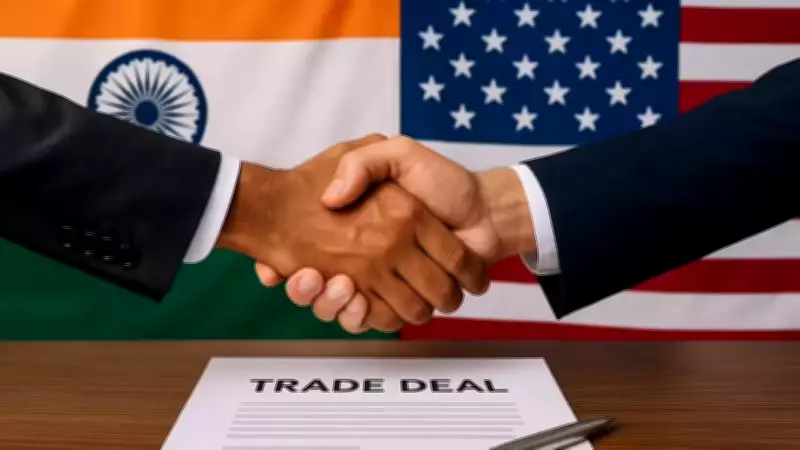
India-US Trade Talks Scheduled in Washington Following High-Level Call
In a significant development for international trade, an Indian delegation is set to travel to Washington from April 20 for crucial trade negotiations, as confirmed by Additional Secretary Darpan Jain. This move comes just a day after Prime Minister Narendra Modi and US President Donald Trump engaged in a comprehensive review of bilateral ties and key economic engagements during a phone conversation.
Delegation to Address Pending Issues Before Pact Finalization
Sources indicate that the delegation will embark on its journey next week, with both nations working diligently to resolve outstanding issues prior to finalizing the legal text of the trade agreement. The upcoming talks are pivotal, as India and the United States have already established the framework for an interim trade deal, with negotiations now entering a critical phase.
Modi-Trump Phone Conversation Sets Positive Tone
The trade discussions follow a nearly 40-minute phone call between the two leaders on Tuesday, April 14. During this conversation, they explored cooperation across multiple sectors and emphasized the importance of securing critical energy routes. Prime Minister Modi shared details of the call, stating, "Received a call from my friend President Donald Trump. We reviewed the substantial progress achieved in our bilateral cooperation in various sectors. We are committed to further strengthening our Comprehensive Global Strategic Partnership in all areas."

Echoing this optimistic outlook, US Ambassador to India Sergio Gor remarked, "A very positive and productive call! Stay tuned..." He also highlighted that economic engagement could deepen further, noting that some big-ticket deals, including on energy, are expected between India and the US in the next few days and weeks.
Background and Challenges in Trade Negotiations
The trade agreement was initially slated for signing in March, but evolving tariff dynamics in the United States have altered the timeline. Following a Supreme Court ruling against President Trump's reciprocal tariff measures, the US imposed a 10% tariff on all countries for 150 days starting February 24, placing all trading partners, including India, on a similar footing.
Previously, under the agreed framework for the first phase of the deal, the US had indicated tariff reductions on India to 18%, providing a relative advantage over competing economies. However, the revised tariff structure has narrowed this edge, prompting both sides to reassess key provisions before moving forward.
A meeting between chief negotiators, originally scheduled for February to finalize the agreement text, was postponed last month in light of these changes. The upcoming round of talks is particularly critical as the US is currently undertaking two investigations under Section 301:
- On March 12, the Office of the United States Trade Representative launched a Section 301 probe covering 60 economies, including India and China, examining whether policies related to forced labor imports are discriminatory or restrictive to US commerce.
- Separately, on March 11, the USTR initiated another Section 301 investigation into policies and industrial practices of 16 economies, including India and China, adding another layer of complexity to the ongoing trade negotiations.
This visit marks the first high-level engagement since the US-Iran ceasefire and the collapse of talks in Islamabad, underscoring its importance in reviewing progress and exploring ways to deepen bilateral cooperation. As both nations navigate these challenges, the outcome of the Washington talks could significantly shape future economic relations and strategic partnerships.






