Kaziranga National Park Achieves Historic Milestone in Vulture Conservation
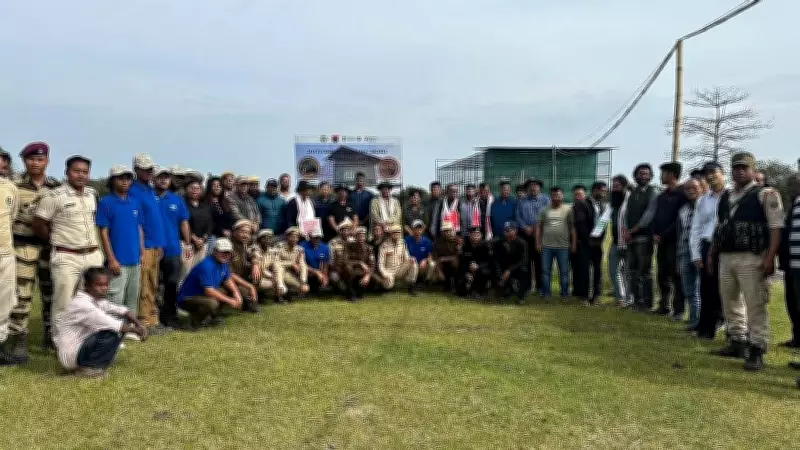
In a landmark event for wildlife preservation, the Assam Forest Department has successfully released the first-ever captive-bred slender-billed vultures into Kaziranga National Park. This pioneering initiative represents a significant and historic push towards rebuilding the critically endangered population of these vital avian scavengers in the Kaziranga Tiger Reserve (KTR) region.
A Critical Step for an Endangered Species
The slender-billed vulture, classified as critically endangered, has faced catastrophic population declines across South Asia in recent decades. Primary threats include poisoning from veterinary drugs like diclofenac, habitat loss, and food scarcity. The release of these captive-bred individuals is not merely a symbolic gesture but a scientifically managed intervention aimed at establishing a viable, self-sustaining wild population within the protected confines of Kaziranga.
This conservation effort underscores the Assam Forest Department's commitment to biodiversity and ecosystem health. Vultures play an indispensable role as nature's cleanup crew, efficiently disposing of carrion and preventing the spread of diseases. Their decline has had cascading negative effects on environmental sanitation and public health.

Meticulous Planning and Execution
The release program is the culmination of years of meticulous planning, breeding, and rehabilitation work. Forest department officials have implemented rigorous protocols to ensure the vultures are adequately prepared for life in the wild. This includes:
- Specialized captive breeding in controlled environments to maximize genetic diversity and health.
- Gradual acclimatization to natural conditions within pre-release enclosures.
- Continuous monitoring post-release using satellite tracking and field observations to assess adaptation and survival rates.
Officials have emphasized that this is a long-term strategy. The success of this initial release will inform future phases, potentially involving more vultures and expanded release sites across Assam and other suitable habitats in India.
Broader Implications for Global Conservation
This achievement positions Kaziranga National Park and the Assam Forest Department at the forefront of vulture conservation globally. It serves as a powerful model for other regions grappling with the decline of scavenger species. The project also highlights the importance of inter-departmental collaboration, scientific research, and sustained funding in tackling complex conservation challenges.
As these first vultures take flight in Kaziranga, they carry the hope for the recovery of their species and the restoration of a balanced ecosystem. This historic release marks a new chapter in India's wildlife conservation narrative, demonstrating that with dedicated effort, even the most critically endangered species can be given a fighting chance for survival.