Karnataka Government Approves Projects Without Mandatory Carrying Capacity Assessments
A decade after the National Green Tribunal (NGT) issued a crucial directive, the Karnataka government has proceeded to approve multiple development projects without conducting the legally required carrying capacity checks. This significant oversight directly contravenes the environmental safeguards mandated by the NGT's 2016 order, raising serious concerns about ecological sustainability and regulatory compliance in the state.
Decade-Long NGT Directive Ignored in Recent Approvals
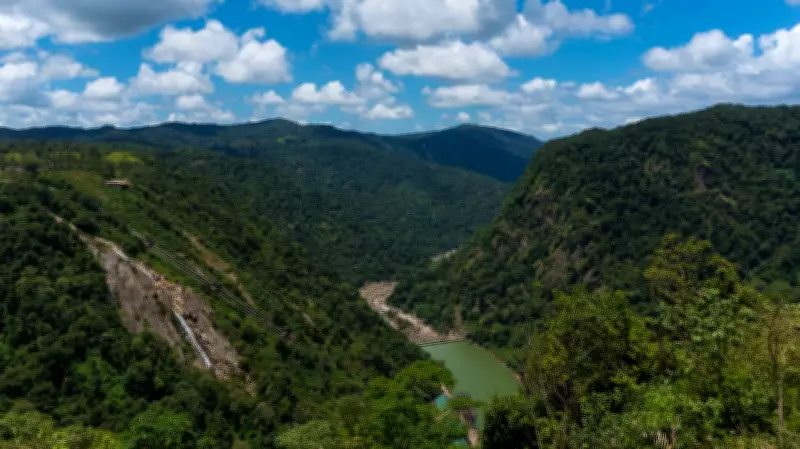
The National Green Tribunal's original order, issued ten years ago, explicitly required that any new projects in ecologically sensitive areas, particularly the Western Ghats region of Karnataka, must undergo a thorough carrying capacity assessment before receiving clearance. This assessment is designed to evaluate the maximum level of human activity and development that an ecosystem can support without suffering irreversible degradation. Despite this clear legal requirement, state authorities have recently granted approvals for various infrastructure and industrial ventures without these critical evaluations.
Minister Eshwar Khandre Forms New Committee in 2025
In a move that highlighted the ongoing issue, Forest, Ecology and Environment Minister Eshwar Khandre established a new committee in 2025. This committee, composed of senior Indian Forest Service (IFS) officers, was specifically tasked with assessing the carrying capacity of the Western Ghats. The formation of this committee was seen as a positive step toward addressing the long-standing compliance gap with the NGT's directive.

Ecological and Legal Implications of the Oversight
The failure to conduct carrying capacity checks poses substantial risks to Karnataka's biodiversity hotspots, especially the fragile ecosystems of the Western Ghats. This region is recognized as a UNESCO World Heritage Site and is home to numerous endemic species and critical water sources. By bypassing these assessments, the state risks:
- Accelerating habitat destruction and loss of wildlife
- Increasing pollution levels in air and water bodies
- Exacerbating soil erosion and landslide risks
- Undermining the legal framework established by environmental tribunals
Environmental activists and legal experts have expressed alarm over this development, noting that it sets a dangerous precedent for ignoring judicial orders aimed at protecting natural resources. The NGT's order was intended to ensure sustainable development by balancing economic growth with ecological preservation, a principle that seems to have been overlooked in recent project approvals.
Broader Context and Future Steps
This situation occurs against a backdrop of increasing development pressure in Karnataka, where rapid urbanization and industrial expansion often clash with conservation goals. The state government now faces mounting calls to:
- Immediately halt further project approvals until carrying capacity assessments are completed
- Reactivate and empower the 2025 committee to expedite its evaluations
- Implement stricter monitoring mechanisms to ensure future compliance with environmental regulations
- Conduct transparent reviews of already approved projects to mitigate potential ecological damage
The ongoing disregard for the NGT's decade-old order highlights a critical gap in environmental governance in Karnataka. As the state continues to pursue development, the need for robust, science-based assessments to guide sustainable growth has never been more urgent.