Iranian Security Forces Accused of Executing Wounded Protesters Inside Hospitals
According to a shocking report by the New York Post, Iranian security forces have been accused of executing wounded anti-regime protesters inside hospitals. The allegations describe a brutal practice where officers entered medical facilities to identify injured demonstrators and shot some of them in the head at close range.
Graphic Details of Hospital Executions
One source quoted in the report stated that some victims were "in hospitals, with IV lines or breathing tubes attached to them". Upon closer inspection, it was discovered they had been shot in the head. The source explicitly alleged they were "executed — given the final shot — inside the hospital". Another source claimed these killings were occurring "every day", painting a picture of systematic violence against protesters seeking medical care.
Additional Allegations of Abuse and Sexual Violence
The report also included disturbing allegations of sexual violence against detainees. One source revealed that abuse in custody had become so widespread that "some of the detained girls have even asked their families to send them contraceptive pills". These claims highlight the extreme measures being used to suppress dissent.

Background of the Deadly Crackdown
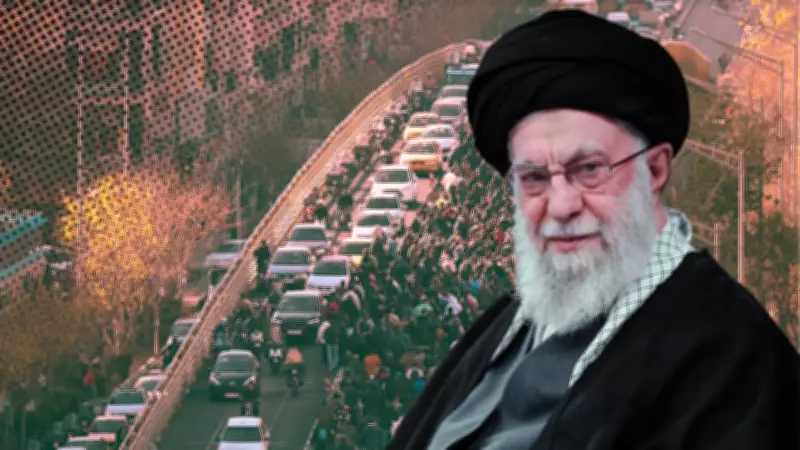
These allegations emerge against the backdrop of a broad and deadly crackdown on protests that began over economic hardship and the collapse of the Iranian rial. The demonstrations quickly expanded into nationwide anti-government movements. Activist groups report that the unrest has led to thousands of deaths, though exact numbers are disputed.
- The US-based Human Rights Activists News Agency documented at least 6,221 people killed, including protesters, security forces, and civilians.
- More than 42,000 arrests have been reported in connection with the protests.
- Iranian authorities have put the overall death toll significantly lower at 3,117, describing many of those killed as "terrorists".
Challenges in Verification and Eyewitness Accounts
Independent verification of these events has been severely hampered by a near-total internet blackout imposed by Iranian authorities. However, eyewitnesses who spoke to AFP earlier described security forces firing rifles and shotguns at protesters' backs and conducting spot checks to identify those with protest-related injuries.
Some witnesses said wounded demonstrators were too afraid to seek hospital treatment, fearing arrest or interrogation. This fear has created a dangerous situation where injured protesters avoid medical care, potentially worsening health outcomes.
International Condemnation and Previous Accusations
Amnesty International and Human Rights Watch have previously accused Iranian forces of firing metal pellets directly at protesters' heads and torsos. These organizations have documented numerous human rights violations throughout the crackdown.
Former US President Donald Trump warned Tehran against killing peaceful demonstrators or conducting mass executions. He urged Iran to "come to the table" for negotiations, stating that "the next attack will be far worse" if violence continued.
Regional Diplomatic Efforts
Regional powers including Saudi Arabia, the United Arab Emirates, Egypt, and Qatar have engaged in diplomatic efforts aimed at preventing further escalation. These countries are concerned about the stability of the region and the humanitarian impact of the ongoing crackdown.
The situation in Iran remains tense as allegations of hospital executions and other human rights abuses continue to surface. The international community watches closely as diplomatic efforts attempt to address the crisis while protesters face increasingly brutal suppression tactics.