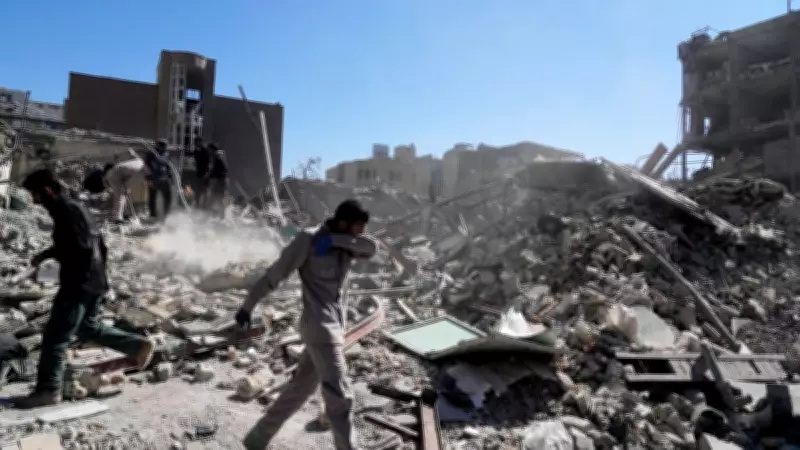
IAEA Confirms Damage at Iran's Natanz Nuclear Site Amid Israel-US Strikes
The International Atomic Energy Agency (IAEA) has officially confirmed substantial damage at Iran's Natanz nuclear facility, a key site in the country's uranium enrichment program. This verification comes in the wake of reported military strikes by Israel and the United States, which have intensified geopolitical tensions in the Middle East.
Details of the Damage and IAEA Assessment
According to the IAEA, inspectors have documented significant structural and operational impairments at the Natanz site, located in central Iran. The damage is believed to have impacted critical infrastructure, including centrifuges used for uranium enrichment. The agency is conducting ongoing assessments to determine the full extent of the destruction and its implications for Iran's nuclear capabilities.
The IAEA's confirmation follows a series of covert operations and airstrikes attributed to Israel and the U.S., aimed at disrupting Iran's nuclear activities. These actions are part of a broader strategy to curb Tehran's potential development of nuclear weapons, a concern that has long fueled international disputes.

Background of the Natanz Facility and Regional Tensions
The Natanz nuclear site has been a focal point of Iran's nuclear program for decades, housing advanced centrifuges that enrich uranium to levels suitable for both civilian energy and military applications. Iran maintains that its nuclear activities are peaceful, but Western nations, led by the U.S. and Israel, have repeatedly accused Tehran of pursuing nuclear weapons.
Recent escalations include cyberattacks and sabotage incidents at Natanz, with previous damage reported in 2020 and 2021, often linked to Israeli operations. The latest strikes, however, represent a more direct and forceful approach, involving military actions that have drawn condemnation from Iranian officials and heightened fears of a broader conflict.
International Reactions and Diplomatic Fallout
The IAEA's report has sparked widespread international concern, with key stakeholders reacting swiftly:
- United States: Officials have reiterated their commitment to preventing Iran from acquiring nuclear weapons, though they have not publicly claimed responsibility for the strikes.
- Israel: While maintaining its typical policy of ambiguity, Israeli sources have hinted at involvement, citing national security imperatives.
- Iran: The Iranian government has denounced the attacks as acts of aggression, vowing to retaliate and continue its nuclear program despite the setbacks.
- United Nations: Calls for de-escalation and diplomatic solutions have been issued, emphasizing the risks of further instability in the region.
This incident underscores the fragile state of nuclear diplomacy, with the 2015 Iran nuclear deal (JCPOA) already in jeopardy due to previous violations and sanctions. The damage at Natanz could complicate future negotiations and lead to increased military posturing in the Middle East.
Implications for Global Security and Future Prospects
The confirmation of damage at Natanz raises critical questions about the future of Iran's nuclear ambitions and regional security dynamics. Potential outcomes include:
- Escalation of covert and overt military actions between Iran and its adversaries.
- Renewed efforts to revive or renegotiate the JCPOA, with added pressure from the IAEA's findings.
- Increased scrutiny from global powers, potentially leading to stricter sanctions or diplomatic isolation for Iran.
- Heightened risks of miscalculation that could trigger a wider conflict, affecting oil markets and international stability.
As the IAEA continues its monitoring, the world watches closely, with the situation at Natanz serving as a stark reminder of the ongoing tensions surrounding nuclear proliferation in the Middle East. The agency's role in providing impartial verification remains crucial for informing international responses and fostering dialogue amid rising hostilities.