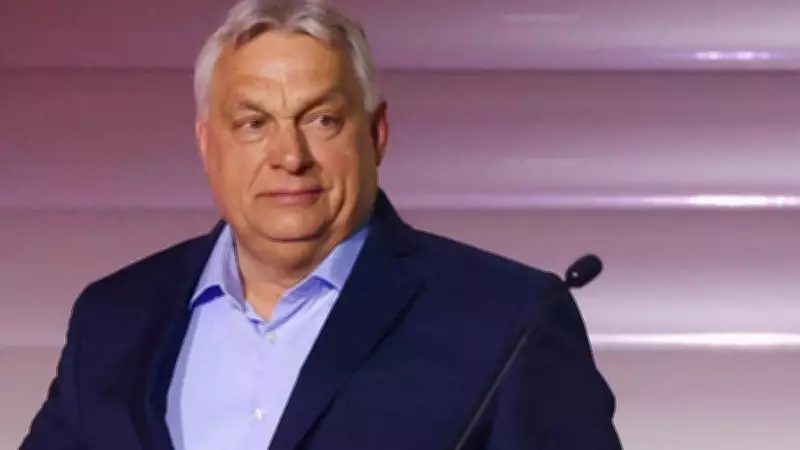
Hungary's Political Landscape Transforms with Pro-EU Victory
In a historic electoral shift, Hungarian Prime Minister Viktor Orban has been ousted from power after 16 years of leadership. Early results from the April 2026 election indicate that his nationalist Fidesz party has lost to the pro-European Union Tisza party, led by Peter Magyar. This outcome marks a significant turning point in Hungary's political trajectory, reflecting widespread voter dissatisfaction with economic stagnation.
End of an Era for Orban's Nationalist Rule
Viktor Orban, 62, who had secured endorsements from high-profile figures such as former US President Donald Trump and several top European conservatives, faced a formidable challenge from Magyar's Tisza party. Despite his long tenure and international support, Orban's government struggled to address Hungary's economic woes, which became a central issue in the campaign. The election results underscore a growing desire among Hungarians for change and closer alignment with the European Union.
Economic Stagnation Drives Voter Turnout
The defeat of Fidesz is largely attributed to Hungary's persistent economic stagnation, which has impacted living standards and fueled public discontent. Peter Magyar's Tisza party capitalized on these concerns, advocating for pro-EU policies aimed at revitalizing the economy and fostering international cooperation. The high voter turnout, with many Hungarians flocking to support the rival party, highlights the electorate's prioritization of economic recovery over nationalist ideologies.

Implications for Hungary and the European Union
This political shift is expected to have profound implications for Hungary's domestic policies and its relationship with the European Union. With Peter Magyar at the helm, Hungary may pursue reforms that strengthen EU integration, potentially reversing some of Orban's nationalist measures. The outcome also signals a broader trend in European politics, where economic issues are increasingly influencing electoral outcomes and challenging long-standing nationalist movements.
As Hungary navigates this new chapter, the world watches closely to see how the pro-EU agenda will reshape the nation's future and its role within the European community.