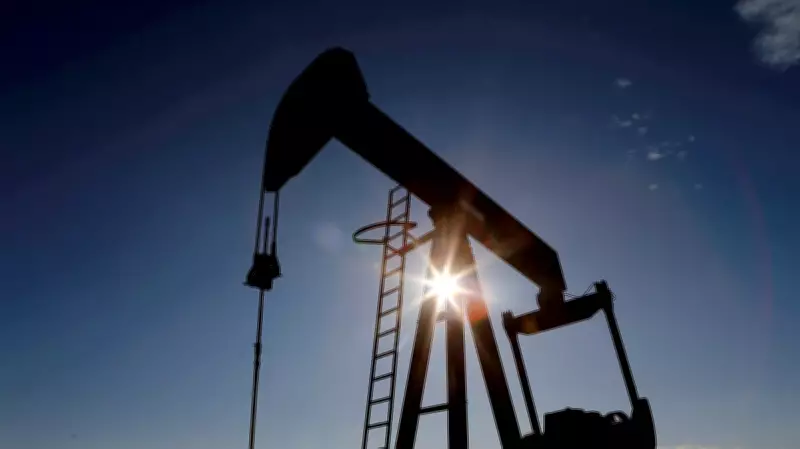
Oil Prices Leap, Dollar Firms, and Stocks Wobble as US-Iran Peace Talks Collapse
The global financial landscape experienced significant turbulence following the abrupt collapse of peace negotiations between the United States and Iran. This development has triggered a sharp reaction across various asset classes, with oil prices surging, the US dollar holding firm, and equity markets showing signs of instability.
Market Reactions to Diplomatic Breakdown
In the wake of the failed talks, oil prices leaped dramatically as concerns over potential supply disruptions in the Middle East intensified. The breakdown in diplomatic efforts has heightened geopolitical tensions, leading investors to anticipate possible volatility in oil-producing regions. Concurrently, the US dollar has firmed against major currencies, reflecting its traditional role as a safe-haven asset during times of international uncertainty.
Stock markets around the world have begun to wobble, with indices showing mixed performances as traders reassess risk in light of the renewed US-Iran tensions. The collapse of the peace talks has injected a dose of caution into investor sentiment, prompting a shift towards more defensive positions in portfolios.

Bond Market Movements and Yield Spikes
US Treasuries and bonds across Asia traded lower in response to the geopolitical developments. Notably, Japan's benchmark 10-year yield hit a 29-year high of 2.49 percent, underscoring the broader impact on fixed-income securities. This yield spike reflects increased selling pressure in bond markets as investors adjust their expectations for interest rates and economic stability amid the diplomatic fallout.
The rise in yields indicates growing concerns about inflation and monetary policy responses, compounded by the uncertainty stemming from the US-Iran situation. Analysts are closely monitoring these bond market movements for signs of further stress or contagion to other financial sectors.
Implications for Global Economy and Trade
The collapse of the US-Iran peace talks carries significant implications for the global economy, particularly in terms of energy markets and international trade. Higher oil prices could lead to increased costs for businesses and consumers worldwide, potentially stoking inflationary pressures. Additionally, the firming dollar may affect export competitiveness for countries with weaker currencies, impacting global trade flows.
Market participants are advised to stay vigilant as the situation evolves, with potential for further volatility in the coming days. The interplay between geopolitical events and financial markets remains a critical factor in shaping investment strategies and economic outlooks.
This report is based on information available as of 13 April 2026, with ongoing developments likely to influence market dynamics. Investors should consider consulting financial advisors to navigate the uncertain terrain ahead.