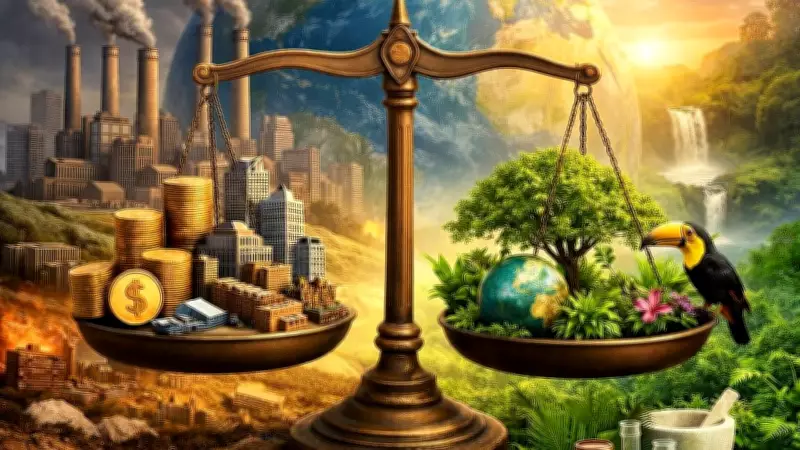
The Hidden Economic Cost of Biodiversity Loss: A Global Crisis
Biodiversity loss is often viewed through an environmental lens, but its profound economic implications are frequently overlooked. This crisis extends far beyond the disappearance of species, threatening global financial stability, human health, and societal well-being. The hidden costs of this decline are now emerging as a critical concern for policymakers and economists worldwide.
Understanding the Economic Impact
The economic value of biodiversity is immense, yet largely unaccounted for in traditional financial systems. Ecosystem services—such as pollination, water purification, and climate regulation—provided by diverse biological systems are essential for agriculture, industry, and daily life. When biodiversity diminishes, these services degrade, leading to increased costs for food production, healthcare, and disaster mitigation. For instance, the loss of pollinators like bees could result in billions of dollars in agricultural losses annually, affecting food security and prices globally.
Key Drivers and Consequences
Several factors drive biodiversity loss, including habitat destruction, climate change, pollution, and overexploitation of resources. These activities not only harm wildlife but also undermine economic resilience. Coastal ecosystems, such as mangroves and coral reefs, protect shorelines from storms and support fisheries; their degradation increases vulnerability to natural disasters and reduces livelihoods for millions. Similarly, deforestation contributes to soil erosion and water scarcity, escalating costs for communities and governments.

The Global Scale of the Problem
Biodiversity loss is a worldwide issue with localized and international repercussions. In regions like the Amazon rainforest or Southeast Asia, rapid deforestation threatens indigenous cultures and global climate patterns. The economic fallout includes:
- Reduced agricultural productivity due to soil degradation and pest outbreaks.
- Increased healthcare expenses from pollution-related diseases and loss of medicinal plants.
- Higher infrastructure costs as natural buffers against floods and erosion disappear.
These hidden costs strain national budgets and exacerbate poverty, particularly in developing nations reliant on natural resources.
Moving Forward: Solutions and Awareness
Addressing the economic cost of biodiversity loss requires integrated strategies. Sustainable practices in agriculture, forestry, and urban planning can help preserve ecosystems while supporting economic growth. Investing in conservation efforts, such as protected areas and wildlife corridors, offers long-term benefits by maintaining ecosystem services. Public awareness and policy reforms are crucial to incorporate biodiversity values into economic decision-making, ensuring a more resilient future for all.