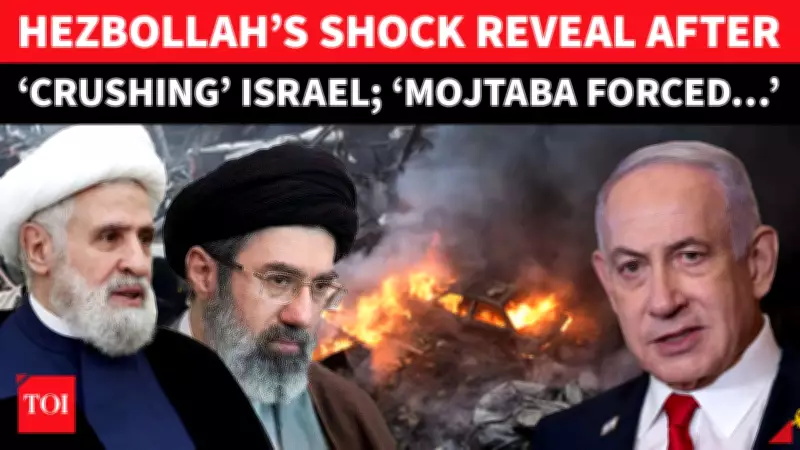
Hezbollah Credits Iran for Israel Truce, Dismisses US Role as 'No Diplomatic Victory'
In the aftermath of a fragile 10-day ceasefire between Israel and Lebanon, Hezbollah has publicly attributed the halt in hostilities to Iran's sustained diplomatic pressure, while simultaneously dismissing any notion of a US diplomatic victory. The group's leaders have issued stern warnings to displaced civilians, advising against a premature return to their homes and branding Israel as a "treacherous enemy." This development underscores the complex geopolitical dynamics at play in the region.
Iran's Crucial Role in Ceasefire Negotiations
Hezbollah officials have emphasized that Tehran's behind-the-scenes negotiations were instrumental in securing the pause in fighting. They highlighted Iran's persistent diplomatic efforts, which they claim forced Israel to agree to the truce. This assertion comes despite the ceasefire being officially announced by former US President Donald Trump, suggesting a multi-faceted negotiation process involving multiple international actors.
The ceasefire is also viewed as part of broader US-Iran negotiations, which were mediated with Pakistani involvement. This tripartite mediation effort indicates a significant shift in diplomatic engagements, with Pakistan playing a pivotal role in facilitating discussions between the longstanding adversaries.

Hezbollah's Warning to Civilians and Continued Tensions
Hezbollah leaders have cautioned displaced civilians against returning to their homes too soon, citing ongoing risks and the unpredictable nature of the ceasefire. They reiterated their characterization of Israel as a "treacherous enemy," reflecting deep-seated mistrust and the potential for renewed hostilities. Reports indicate that limited violence has continued even after the truce took effect, highlighting the fragility of the agreement.
The group's statements underscore the volatile security situation in the region, where ceasefire violations remain a persistent concern. Hezbollah's warnings aim to prevent civilian casualties and manage expectations regarding the stability of the truce.
Broader Implications for Regional Diplomacy
This ceasefire and the accompanying diplomatic maneuvers have significant implications for regional diplomacy. Hezbollah's credit to Iran reinforces Tehran's influence in Middle Eastern conflicts, while the dismissal of US diplomatic success challenges Washington's role in the region. The involvement of Pakistan as a mediator adds a new dimension to international conflict resolution efforts.
- Hezbollah attributes ceasefire to Iran's diplomatic pressure.
- US role is downplayed, with no claim of diplomatic victory.
- Civilians warned against early return due to ongoing risks.
- Ceasefire part of broader US-Iran talks with Pakistani mediation.
The situation remains fluid, with all parties closely monitoring compliance and the potential for escalation. Hezbollah's firm stance and Iran's credited involvement suggest that future diplomatic efforts will need to account for these power dynamics to achieve lasting peace.