

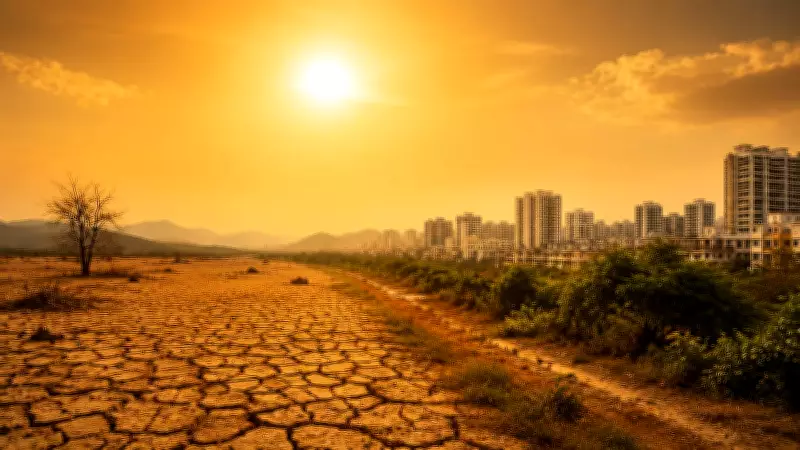
Karnataka is experiencing an unprecedented heatwave, with temperatures soaring not just during the day but also at night. The state, known for its moderate climate, is now grappling with the reality of climate change as nighttime temperatures remain high, offering little respite to residents. This phenomenon, often referred to as 'heat doesn't sleep,' has significant implications for public health, agriculture, and the overall ecosystem.
Rising Night Temperatures
According to the Indian Meteorological Department (IMD), several districts in Karnataka have recorded nighttime temperatures that are 3 to 5 degrees Celsius above normal. Cities like Bengaluru, Mysuru, and Mangaluru have seen minimum temperatures hovering around 25-27 degrees Celsius, which is unusually warm for this time of the year. The lack of cooling at night exacerbates the effects of daytime heat, leading to heat stress and discomfort.
Impact on Health
Health experts warn that prolonged exposure to high nighttime temperatures can lead to sleep disturbances, dehydration, and heat-related illnesses. The elderly, children, and those with pre-existing health conditions are particularly vulnerable. Hospitals in the state have reported an increase in cases of heat stroke, exhaustion, and cardiovascular issues. Dr. Anitha S., a public health specialist, emphasizes, 'The body needs cool nights to recover from daytime heat. When nights remain warm, the risk of heat stress multiplies.'

Agricultural Concerns
The agricultural sector is also feeling the heat. Farmers in the state are facing crop failures due to the combined effect of high daytime and nighttime temperatures. Crops like rice, sugarcane, and vegetables are particularly sensitive to heat stress. The warm nights accelerate respiration in plants, reducing the yield and quality of produce. The Karnataka State Natural Disaster Monitoring Centre (KSNDMC) has advised farmers to adopt heat-resistant crop varieties and adjust irrigation schedules.
Climate Change Connection
Scientists attribute this phenomenon to climate change. The increase in greenhouse gases has led to a rise in global temperatures, and India is no exception. Dr. Rajendra Kumar, a climatologist, explains, 'The warming trend is evident across the country, but Karnataka's unique geography makes it susceptible to both coastal and inland heatwaves. The urban heat island effect in cities like Bengaluru further aggravates the situation.'
Government Response
The Karnataka government has initiated measures to mitigate the impact. Heat action plans have been implemented in vulnerable districts, including the opening of cooling centers, distribution of water, and awareness campaigns. The state has also launched a mobile app to provide real-time weather updates and heat advisories. However, experts argue that long-term solutions require a comprehensive approach to climate adaptation and mitigation.
What Lies Ahead
As the heatwave continues, the need for sustainable urban planning, green cover, and renewable energy becomes more urgent. Citizens are advised to stay hydrated, avoid outdoor activities during peak heat, and check on vulnerable neighbors. The 'heat doesn't sleep' in Karnataka is a stark reminder that climate change is here, and action is needed now.






