Goa's Lingering Environmental Crisis: 50,000 Tonnes of Hazardous Waste Await Disposal
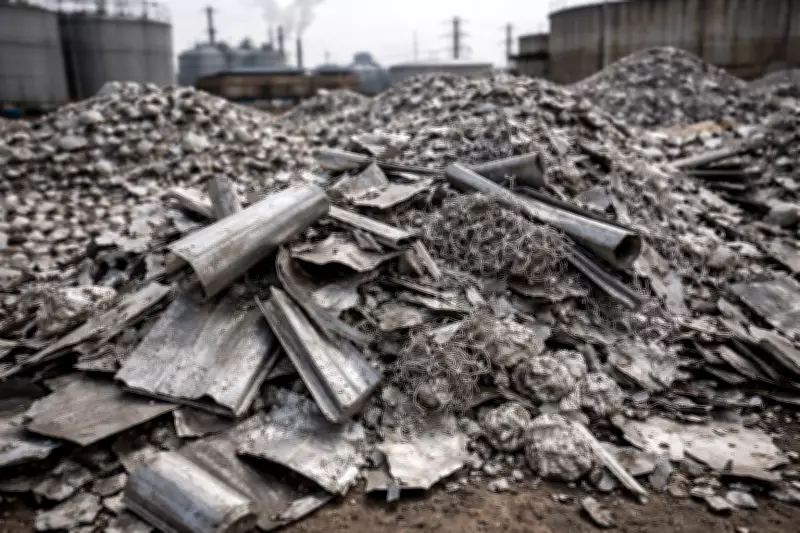
In a stark revelation from official documents accessed by TOI, over 50,000 metric tonnes of hazardous waste, abandoned by a defunct zinc company at the Cuncolim Industrial Development Corporation estate in Margao, continue to lie untouched. This environmental hazard persists as a Rs 15-crore disposal plan remains stalled, awaiting state government approval, highlighting a decade-long failure in waste management.
Legacy of Sunrise Zinc Limited and Legal Battles
The waste originates from Sunrise Zinc Limited, which ceased operations in 2007 following directives from the high court. In 2008, the State Bank of India's Stressed Asset Management Branch took possession of the company's assets under the SARFAESI Act. However, a pivotal ruling by the National Green Tribunal (NGT) on December 11, 2014, absolved SBI of any further financial liability for the waste's disposal. Instead, the NGT directed the Goa State Pollution Control Board (GSPCB) to take immediate and decisive action to address this pressing issue.
Stalled Disposal Efforts and Funding Challenges
In response to the NGT order, the GSPCB has been actively seeking solutions. The board wrote to the state's science, technology, and waste management department, proposing disposal through the Goa Waste Management Corporation (GWMC). Additionally, it requested 90% funding from the Union Ministry of Environment under the Environmental Relief Fund. Despite the state government making provisions in the 2025-26 budget, the project remains in limbo, pending formal approval.

A quotation of Rs 15 crore has been forwarded by GSPCB from M/s Ponda Envocare Limited, Pissurlem, which serves as Goa's designated Common Hazardous Waste Treatment, Storage and Disposal Facility (CHWTSDF). This amount covers the transportation and disposal of the massive waste pile, yet bureaucratic delays have prevented any progress.
Interim Measures and Financial Burdens
As an interim solution, the GSPCB has been covering the hazardous dump with tarpaulin sheets every monsoon season to prevent leaching into surrounding water bodies. Over the past five years alone, this annual exercise has cost the board nearly Rs 25,000, a temporary fix that underscores the urgency of permanent disposal.
Furthermore, GSPCB has transferred Rs 2 crore from its Polluter Pays fund to GWMC towards eventual disposal costs, demonstrating a commitment to resolving the crisis despite the ongoing delays. However, with the waste still on-site a decade after the NGT order, environmental risks continue to mount.
Broader Implications and Call for Action
This situation not only poses significant health and environmental threats but also reflects systemic challenges in India's waste management policies. The accumulation of hazardous materials in industrial zones requires swift governmental intervention to prevent long-term ecological damage. Stakeholders, including local communities and environmental agencies, are urging for expedited approvals to implement the disposal plan and safeguard Goa's natural resources.