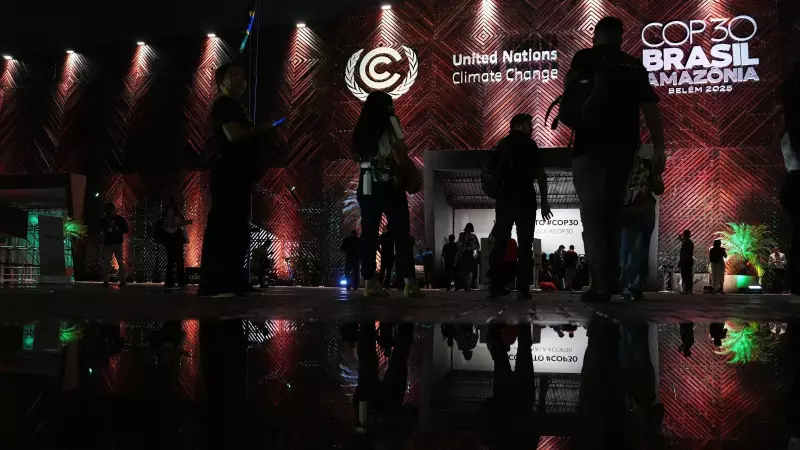
The conclusion of the COP 30 climate summit in Belém, Brazil, on November 21, 2025, has left a complex legacy for the world. While it served as a moment of diplomatic reaffirmation, it also starkly highlighted the vast challenges that remain for a divided global community. Hosted for the first time in the heart of the Amazon rainforest, the summit underscored a fundamental power shift: the world's most climate-vulnerable regions in the Global South are now at the diplomatic core, transforming their exposure into tangible influence.
A Summit of Compromises: Finance Wins, Fossil Fuels Stall
The conference culminated in a landmark pact known as the "Global Mutirão" agreement. Under this deal, wealthier nations pledged to at least triple adaptation finance by 2035, a crucial step to help vulnerable nations cope with escalating climate impacts. However, the final text notably sidestepped direct commitments on phasing out fossil fuels, opting instead for broader language on a "just transition." This omission drew clear disappointment from European officials who had pushed for stronger emissions-cutting mandates.
Despite this, all 194 participating countries jointly declared that the global transition to low emissions and climate resilience is "irreversible." A significant concrete achievement was the formal launch of the Belém Health Action Plan, backed by the World Health Organization (WHO). This plan focuses on integrating health goals into national climate plans, investing in resilient health infrastructure, and empowering community-led responses. The initiative successfully secured an initial $300 million from 35 philanthropic organisations.

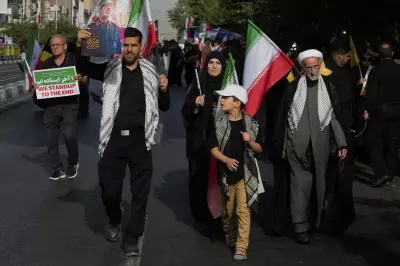
Outside the summit halls, protesters, especially from Indigenous groups, voiced their frustration over the lack of a fossil fuel phase-out and the slow pace of delivering climate justice. Their message reinforced a critical dual need: while adapting to change is essential, reducing emissions through mitigation remains non-negotiable.
The Global South's Blueprint: From Vulnerability to Leadership
The very setting of COP 30 in the Amazon, where over 100 hectares of forest were cleared for summit infrastructure, symbolised the delicate balance between growth and environmental stewardship that defines the South's new approach. This paradigm is vividly illustrated by India's Andaman and Nicobar Islands.
For India, climate vulnerability is a stark reality. These islands are projected to face a sea-level rise of 60 to 110 cm by the year 2100. This threat endangers not just physical infrastructure but the very homeland and existence of indigenous tribes like the Nicobarese and Great Andamanese. Conversely, the islands' rich natural assets—80% forest cover and extensive blue carbon ecosystems like mangroves and seagrass beds—position them as crucial elements in India's climate strategy, offering powerful leverage in international climate-finance negotiations if protected and valued correctly.
Across the Global South, nations are no longer mere followers of climate rules but active architects of new frameworks. Brazil's new carbon-market law, blending regulated and voluntary systems, and India's National Hydrogen Mission coupled with its goal of 500 GW of non-fossil electricity capacity by 2030, exemplify this shift. Collaborative efforts like the April 2025 Brazil-India Climate Dialogue, which mapped cooperation on green hydrogen and energy storage, show how shared experience is building shared capability.
Looking Ahead: From Belém to the Andaman and Beyond
COP 30 signalled a tectonic shift in the architecture of global climate diplomacy. The paradigm has moved decisively:

- From North-led prescription to South-driven innovation.
- From aid dependency to collaborative autonomy.
- From pledges to tangible delivery.
For India, this new landscape opens strategic avenues: leveraging the blue carbon assets of the Andamans, directing adaptation finance to coastal resilience, and positioning Indian green technology at the centre of the global energy transition. As the focus moves from Belém to future summits—perhaps one day in the Andaman—the true measure of success will no longer be the eloquence of commitments from the Global North, but the demonstrable impact of solutions forged in the Global South. The paradigm has shifted. The world now watches to see if this shift in diplomacy can finally help shift the global temperature trajectory.