The Race to Succeed Iran's Supreme Leader: Key Contenders Emerge
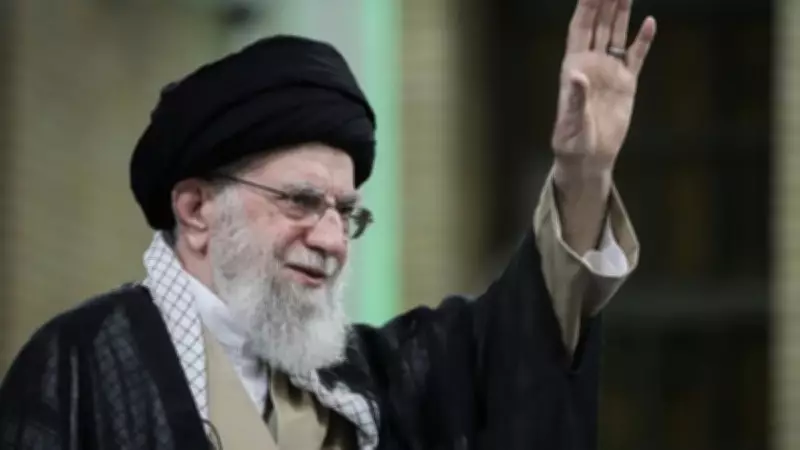
As Iran's Supreme Leader Ayatollah Ali Khamenei advances in age, intense speculation and political maneuvering have begun over who will succeed him in one of the world's most powerful religious-political roles. The position of Supreme Leader, established after the 1979 Islamic Revolution, holds ultimate authority over Iran's foreign policy, military, and judiciary, making the succession a critical event with global implications. This article explores the key contenders and the complex process that will determine Iran's next leader.
Who Are the Main Contenders for the Supreme Leader Position?
Several prominent figures within Iran's political and religious establishment are considered potential successors to Ayatollah Khamenei. The leading candidates include:
- Mojtaba Khamenei: The son of the current Supreme Leader, Mojtaba is a mid-ranking cleric who has remained largely out of the public eye but wields significant influence behind the scenes. His familial connection positions him as a natural successor, though his lack of high religious credentials could be a hurdle.
- Ebrahim Raisi: The current President of Iran, Raisi is a hardline conservative with a background as a prosecutor and judiciary head. His presidency has bolstered his profile, and he is seen as a strong candidate due to his administrative experience and alignment with Khamenei's policies.
- Gholam-Hossein Mohseni-Ejei: As the head of Iran's judiciary, Mohseni-Ejei holds a key position in the regime. He is known for his staunch conservatism and loyalty to the Supreme Leader, making him a viable contender within the establishment.
- Other Clerics: Figures such as Ayatollah Ahmad Jannati, the chairman of the Assembly of Experts, and Ayatollah Mohammad Ali Movahedi Kermani are also in the mix, though they are considered less likely due to age or lower political influence.
How Will the Succession Be Decided?
The process to select Iran's next Supreme Leader is governed by the country's constitution and involves the Assembly of Experts, an 88-member body of clerics elected by the public. This assembly is responsible for appointing, supervising, and, if necessary, dismissing the Supreme Leader. In the event of Khamenei's death or incapacitation, the assembly will convene to choose his successor, with a simple majority vote required.

However, the decision is not merely a democratic exercise. It is heavily influenced by internal power dynamics, including the role of the Islamic Revolutionary Guard Corps (IRGC), which holds substantial military and economic power. The IRGC's support could be crucial in swaying the assembly's vote, as it seeks to ensure continuity in Iran's strategic direction.
Additionally, religious qualifications play a key role. The constitution mandates that the Supreme Leader must be a marja-e taqlid (source of emulation) or a recognized high-ranking cleric, though this requirement has been interpreted flexibly in the past. This adds a layer of complexity, as some contenders, like Mojtaba Khamenei, may not fully meet these criteria.
What Are the Implications for Iran and the World?
The succession of Iran's Supreme Leader will have profound effects both domestically and internationally. Domestically, it could shape Iran's political landscape for decades, influencing issues such as economic policy, social freedoms, and relations with the West. A hardline successor like Raisi or Mohseni-Ejei might continue Khamenei's conservative policies, while a more moderate choice could signal a shift toward reform.
Internationally, the change in leadership will impact global geopolitics, particularly regarding Iran's nuclear program, regional conflicts in the Middle East, and ties with countries like the United States, Russia, and China. The world will be closely watching the succession process, as it could either escalate tensions or open doors for diplomacy.

In summary, the race to succeed Ayatollah Ali Khamenei is a pivotal moment in Iran's history, with key contenders vying for power amid a complex selection process. The outcome will not only determine Iran's future trajectory but also have far-reaching consequences for global stability and security.