BSWML Makes History with Carbon Credits for Plastic Waste Co-Processing in Bengaluru
In a groundbreaking development for urban waste management, the Bengaluru Solid Waste Management Limited (BSWML) has become the first agency in the city to earn carbon credits for co-processing plastic waste. This milestone was announced by Karigowda, the Chief Executive Officer of BSWML, during a press conference held on Monday.
Addressing Bengaluru's Massive Waste Challenge
Karigowda highlighted the scale of the waste problem in Bengaluru, revealing that the city generates an average of 6,000 metric tonnes of solid waste every day. This staggering figure underscores the urgent need for innovative and sustainable waste management solutions to prevent environmental degradation and health hazards.
Ambitious Targets for Refuse-Derived Fuel (RDF) Collection
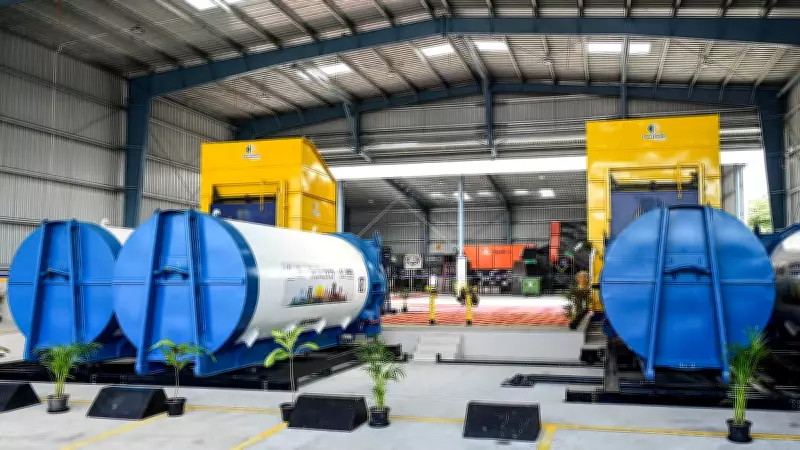
As part of its strategy to tackle this issue, BSWML has set an ambitious target to increase the collection of refuse-derived fuel (RDF) to 1,000 metric tonnes per day. RDF is a type of fuel produced from various types of waste, including plastics, and is used in industrial processes like cement manufacturing, offering a more eco-friendly alternative to traditional disposal methods such as landfilling.

The co-processing of plastic waste, which involves using it as a supplementary fuel in industrial kilns, not only helps in reducing landfill burden but also contributes to lower carbon emissions. By earning carbon credits for this initiative, BSWML is being recognized for its efforts in mitigating climate change, potentially opening up new revenue streams to fund further waste management projects.
A Model for Other Cities
This achievement positions Bengaluru as a leader in sustainable urban waste management. The success of BSWML's program could serve as a model for other Indian cities grappling with similar waste challenges, encouraging the adoption of co-processing technologies and carbon credit mechanisms to promote environmental sustainability.
Karigowda emphasized that this initiative aligns with broader national goals under programs like Swachh Bharat Abhiyan, aiming to create cleaner, greener cities. The focus on plastic waste is particularly timely, given the global push to reduce plastic pollution and its harmful impacts on ecosystems.
As BSWML moves forward, the agency plans to scale up its operations, leveraging the carbon credits to invest in advanced waste processing infrastructure and community awareness campaigns. This proactive approach is expected to enhance Bengaluru's resilience against waste-related issues while contributing to a circular economy.