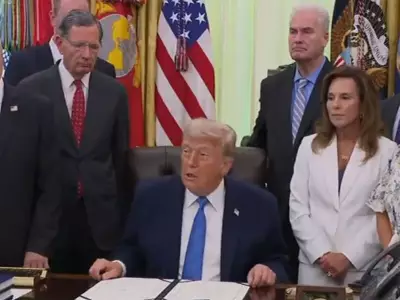
Donald Trump returned to the White House promising the toughest immigration crackdown in modern American history. Now, that policy has taken an unexpected turn. In a controversial agreement worth $5.1 million, the tiny African kingdom of Eswatini has emerged as a destination for third-country deportees who cannot easily be returned to their home nations.
Supporters and Critics Weigh In
Supporters say the strategy closes legal loopholes and strengthens immigration enforcement. Critics argue it lacks transparency and raises serious human rights concerns. How did Africa's last absolute monarchy become part of America's deportation machine? This special report unpacks the secretive deal reshaping the global immigration debate.
Background of the Deal
The agreement, signed quietly between U.S. immigration authorities and the Eswatini government, allows for the transfer of migrants whose home countries refuse to accept them. Eswatini, a landlocked kingdom in southern Africa, is one of the few nations willing to accept such individuals under a bilateral arrangement.

Human Rights Concerns
Human rights organizations have raised alarms about the lack of oversight and the potential for abuse in Eswatini, which has a poor record on political freedoms and due process. Critics fear deportees may face detention or mistreatment without legal recourse.
Strategic Implications
The deal marks a shift in U.S. immigration enforcement, leveraging smaller nations to bypass diplomatic standoffs with countries like China, Iran, or Venezuela. It also raises questions about the ethics of outsourcing deportation responsibilities to countries with questionable human rights standards.