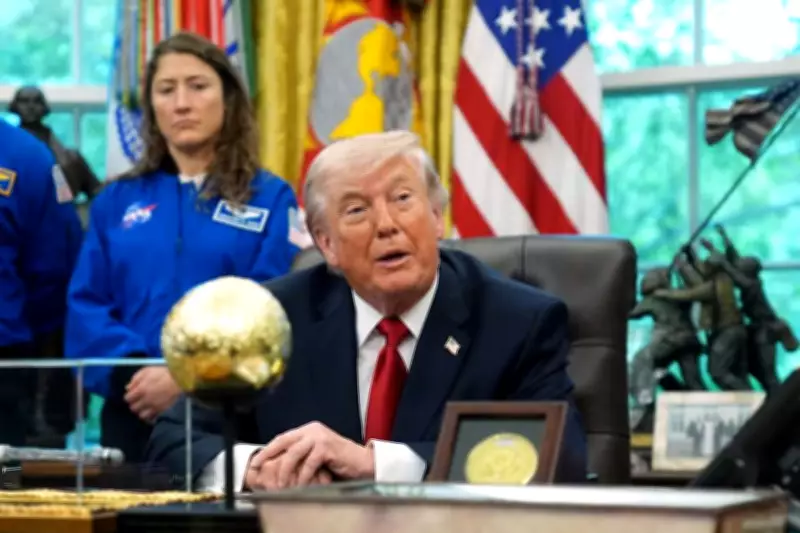
President Donald Trump has unveiled a new plan to reopen the Strait of Hormuz to international shipping, coordinating closely with allied nations to impose higher costs on Iran. The proposal, announced on Wednesday, aims to counter Tehran's ongoing disruptions in the vital waterway, through which about 20% of the world's oil passes.
Key Elements of the Plan
The new strategy involves a multinational coalition to ensure safe passage for commercial vessels. Trump emphasized that the United States will work with partners to increase economic and military pressure on Iran. "We will not allow Iran to hold global energy supplies hostage," he stated during a press briefing at the White House.
Coordinated Efforts with Allies
The plan includes joint naval patrols and intelligence sharing among participating nations. Trump highlighted that allies such as Saudi Arabia, the United Arab Emirates, and the United Kingdom have already expressed support. The goal is to deter Iranian harassment of ships and to maintain freedom of navigation.

Additionally, the administration is considering new sanctions targeting Iranian entities involved in the disruptions. These measures are designed to impose greater costs on Tehran for what the White House calls "destabilizing activities."
International Reactions
Reactions from other global powers have been mixed. European allies have called for diplomatic engagement alongside the military measures. Russia and China have criticized the plan, warning it could escalate tensions further. Iran has dismissed the initiative as "provocative" and vowed to continue defending its territorial waters.
Background and Context
The Strait of Hormuz has been a flashpoint in U.S.-Iran tensions for years. Recent incidents include the seizure of oil tankers by Iranian forces and attacks on Saudi oil facilities. The new plan comes after months of stalled negotiations over Iran's nuclear program and regional activities.
Trump concluded by stating that the United States remains open to diplomacy but will not tolerate threats to global commerce. "Our message is clear: the Strait of Hormuz must remain open, and Iran must face consequences for its actions," he said.