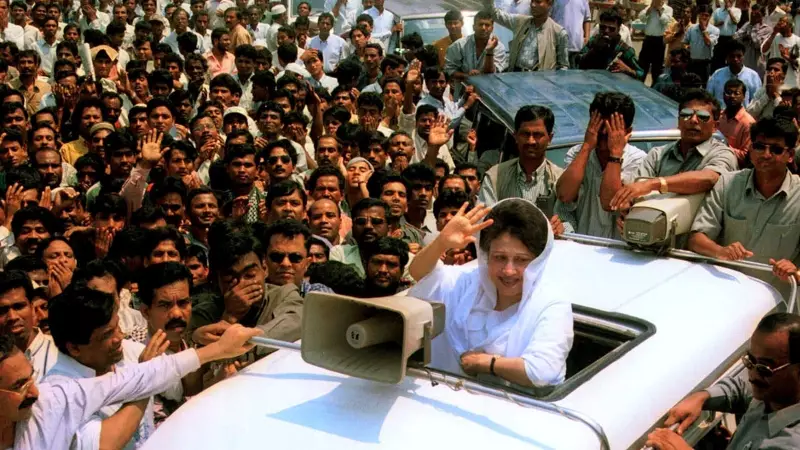
The political landscape of Bangladesh is draped in personal sorrow as Tarique Rahman, the acting chairman of the Bangladesh Nationalist Party (BNP), bid a heart-wrenching farewell to his mother, former Prime Minister Begum Khaleda Zia. The 78-year-old political stalwart passed away on Wednesday, August 21, 2024, leaving a nation divided in its grief and a family separated by exile.
A Son's Grief from Afar
Stuck in London where he has lived in self-exile since 2008, Tarique Rahman could not be physically present at his mother's side during her final moments or for her funeral rites in Dhaka. The pain of this separation was palpable in his emotional video message. In a moving tribute, Rahman remembered his mother not just as a towering political figure but as the nurturing core of their family. He spoke of her immense sacrifices, the unwavering love she provided, and the profound guidance she offered throughout his life.
The scene of a son mourning his mother from thousands of miles away added a deeply human layer to the passing of a leader whose career was marked by intense rivalry and prolonged legal battles. Tarique Rahman, who is also the senior vice-chairman of the BNP, has been convicted in several cases in Bangladesh, which he and his party label as politically motivated. This legal situation has barred his return to his homeland for years.

The Political Legacy and National Mourning
Khaleda Zia's death marks the end of an era in Bangladeshi politics. A former prime minister who served two terms, she was the arch-rival of current Prime Minister Sheikh Hasina and the widow of the country's former president, Ziaur Rahman. Her political journey was intertwined with the nation's turbulent democratic history. Her passing has triggered an outpouring of condolences from across the political spectrum, both within Bangladesh and internationally.
In his farewell, Tarique Rahman framed his mother's life as one dedicated to the democratic struggle and the welfare of the Bangladeshi people. He emphasized that her ideals and fight for what she believed was right would continue to inspire her followers. This statement is seen as a signal to the BNP's rank and file to remain steadfast in their political mission despite the monumental loss of their chairperson.
What Comes Next for the BNP?
The immediate consequence of Khaleda Zia's death is a significant leadership vacuum within the Bangladesh Nationalist Party. While Tarique Rahman has been the de facto leader operating from abroad, his physical absence and legal status present substantial challenges for the party's unity and organizational momentum. The question of who will now galvanize the party on the ground and lead it into future elections looms large.
Analysts suggest that the party may see a period of internal reflection and possible restructuring. The emotional connection that party loyalists had with Khaleda Zia, a charismatic leader in her own right, is irreplaceable. Tarique Rahman's ability to steer the party from exile will be critically tested. Furthermore, the government's decision to allow a peaceful funeral procession for the former prime minister in Dhaka is being closely watched as a barometer of the current political climate.
In conclusion, the death of Khaleda Zia is more than the passing of a former head of government. It is a poignant moment of personal loss for a family living in separation and a pivotal event that could reshape the opposition politics of Bangladesh. As Tarique Rahman and his family grieve from a distance, the nation observes how the legacy of the "Iron Lady" will be carried forward and what it means for the future of democracy in the country.