Rapper-Turned-Politician Balendra Shah Scores Historic Victory Over PM Oli in Nepal
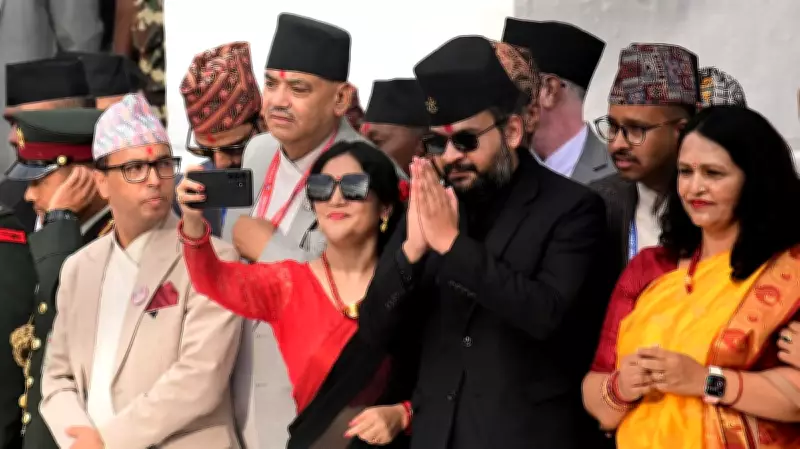
In a remarkable political development that has sent shockwaves across the Himalayan nation, Balendra Shah, a popular rapper who transitioned into politics, has achieved a stunning electoral victory. He has decisively defeated the seasoned four-time Prime Minister of Nepal, KP Sharma Oli. This unexpected outcome marks a significant shift in the country's political landscape, signaling a potential new era of governance.
Rastriya Swatantra Party Poised to Form New Government
The Rastriya Swatantra Party (RSP), the political vehicle for Balendra Shah, is now set to form the next government in Nepal. This follows their impressive performance in the recent elections, which has positioned them as a key player capable of leading the nation. The party's rise from a relatively new entrant to a government-forming entity underscores a growing public desire for change and fresh leadership perspectives.
The defeat of KP Sharma Oli, a veteran politician with extensive experience, highlights a clear rejection of established political norms by the electorate. Oli, who has served multiple terms as Prime Minister, was widely seen as a dominant figure, making Shah's victory all the more surprising and indicative of a shifting political tide.

Analyzing the Factors Behind the Political Upset
Several key factors contributed to this dramatic political upset:
- Youth Appeal and Celebrity Status: Balendra Shah leveraged his fame as a rapper to connect with younger voters and those disillusioned with traditional politics.
- Anti-Incumbency Sentiment: There was a strong public desire for change, with voters seeking alternatives to long-standing political figures and parties.
- Effective Campaigning: The RSP's campaign resonated with promises of transparency, innovation, and addressing contemporary issues facing Nepal.
- Strategic Political Positioning: Shah and the RSP successfully tapped into unmet public expectations and presented a compelling vision for the future.
This victory is not just a personal triumph for Balendra Shah but represents a broader movement. It reflects the aspirations of a population eager for new leadership that can navigate the complexities of modern governance while staying connected to the grassroots.
Implications for Nepal's Future Governance
With the Rastriya Swatantra Party preparing to take the reins of government, Nepal stands at a critical juncture. The incoming administration will face immediate challenges, including economic stability, infrastructure development, and diplomatic relations. However, this change also brings opportunities for innovative policies and a renewed focus on issues that matter most to the citizens.
The political landscape in Nepal has been irrevocably altered. The success of a rapper-turned-politician over a seasoned statesman like KP Sharma Oli demonstrates that in today's dynamic world, traditional political pathways are being redefined. All eyes are now on the RSP as they embark on the formidable task of forming a government and delivering on their promises to the people of Nepal.