Intense Cold Wave Sweeps Across Punjab and Haryana, Chandigarh Records 10.2°C
Residents of Punjab and Haryana are currently grappling with a significant drop in temperatures as a cold wave tightens its grip over the northern regions of India. The twin states have been experiencing unusually chilly conditions, with early morning hours turning particularly harsh. The capital city of Chandigarh, which serves both states, has recorded a minimum temperature of 10.2 degrees Celsius, highlighting the severity of the weather shift.
Weather Conditions and Regional Impact
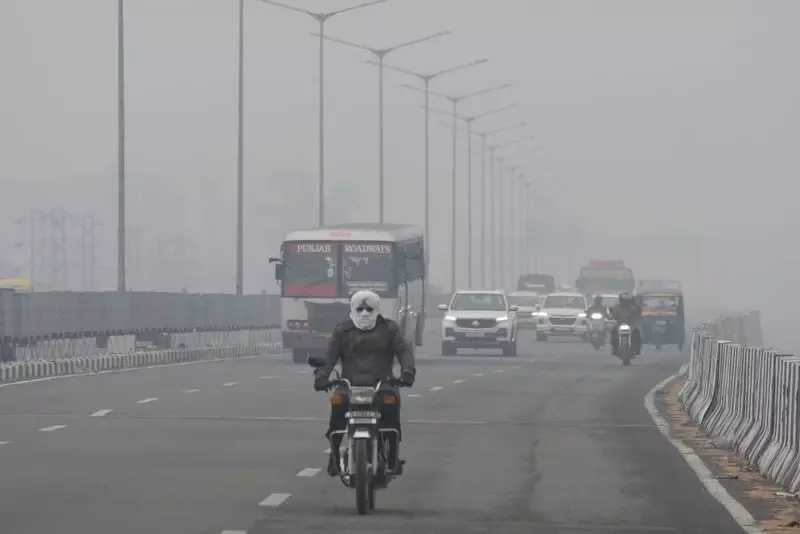
The cold spell has brought about dense fog and a noticeable dip in mercury levels across several districts. In Punjab, cities like Amritsar, Ludhiana, and Patiala have reported similar cold trends, making mornings uncomfortable for commuters and outdoor workers. Haryana, including areas such as Ambala, Karnal, and Rohtak, is also reeling under the cold, with temperatures hovering around low double digits. This weather pattern is attributed to the influx of cold winds from the Himalayan region, coupled with clear skies that facilitate rapid nighttime cooling.
Health and Daily Life Disruptions
The sudden onset of cold has raised concerns among health officials, as such conditions often lead to an increase in respiratory illnesses and flu cases. Elderly individuals and children are particularly vulnerable, and authorities have advised taking necessary precautions, such as wearing warm clothing and avoiding early morning exposure. Daily life has been affected, with reduced visibility due to fog impacting transportation, including road and rail services. Farmers in rural areas are also monitoring the situation closely, as prolonged cold can affect winter crops.

Forecast and Advisory
According to meteorological departments, the cold wave is expected to persist for the next few days, with temperatures likely to remain low. Residents are urged to stay updated with weather reports and follow safety guidelines to mitigate health risks. The government has issued advisories for schools and workplaces to adjust timings if necessary, ensuring minimal disruption. As winter progresses, such cold spells are not uncommon in northern India, but this year's intensity has caught many off guard, prompting calls for better preparedness in urban and rural settings alike.