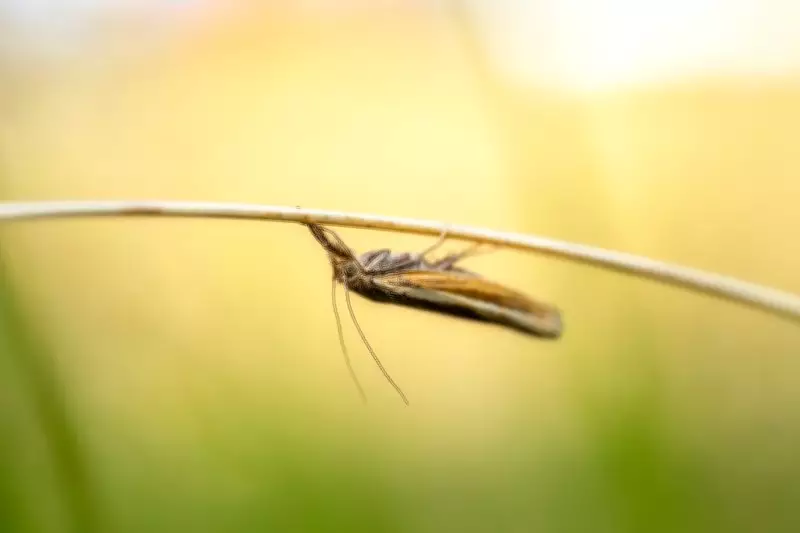
Zoological Survey of India Uncovers Two New Lichen Moth Species in Eastern Himalaya
In a significant breakthrough for biodiversity research, the Zoological Survey of India (ZSI) has announced the discovery of two new species of lichen moths, named Caulocera Hollowayi and Asura Buxa. This finding, published on March 2 in the international taxonomic journal Zootaxa, marks a vital contribution to the documentation of India's moth diversity and underscores the ecological importance of lesser-known insect groups.
Union Environment Minister Highlights the Importance of the Discovery
Union Environment Minister Bhupender Yadav praised the discovery, stating, "The identification of Caulocera Hollowayi and Asura Buxa represents a crucial advancement in cataloging India's moth biodiversity. Investigating evolutionarily significant groups like Lepidoptera is essential for comprehending ecosystem dynamics and identifying air pollution indicator species in the Indian Himalaya." He further emphasized that this success highlights the need for sustained taxonomic efforts in biodiversity hotspots such as the Himalayas.
Milestone in Indian Taxonomy and Species Identification
ZSI Director Dhriti Banerjee described the development as a milestone in Indian taxonomy. The newly discovered species were diagnosed through detailed analysis of external morphology, including wing coloration and fascia arrangements, as well as differences in genital structures such as uncus, valva, tegumen, juxta, and aedeagus. Additionally, these moths are distinguished by unique body scale arrangements, specific chaetotaxy (bristle patterns), and specialized appendage structures.

Research Team and Collection Locations
A dedicated team led by Dr. Navneet Singh, Dr. Santosh Singh, and Srishti Bhattacharya identified these species from specimens collected in two key locations:
- Caulocera Hollowayi was found near Golitar, Sikkim.
- Asura Buxa was discovered in Panijhora, West Bengal.
The publication in Zootaxa also concludes seven new species records of lichen from India, further enriching the scientific understanding of regional biodiversity.
Ecological Significance as Air Pollution Indicators
Lichen moths serve as important indicator species for air pollution, as their caterpillars feed exclusively on lichens. This dietary specialization makes them valuable for monitoring environmental health and understanding species interactions in mountain habitats. Research into these moths provides insights into ecosystem functioning and helps assess the impacts of pollution on fragile Himalayan ecosystems.
The discovery of Caulocera Hollowayi and Asura Buxa not only expands the known diversity of Indian Lepidoptera but also reinforces the critical role of taxonomic studies in conservation and environmental management. As biodiversity hotspots face increasing threats, such findings underscore the importance of ongoing scientific exploration and documentation in regions like the eastern Himalaya.