Tel Aviv Erupts in Protest as Anti-Netanyahu Sentiment Grows Amid Iran Conflict
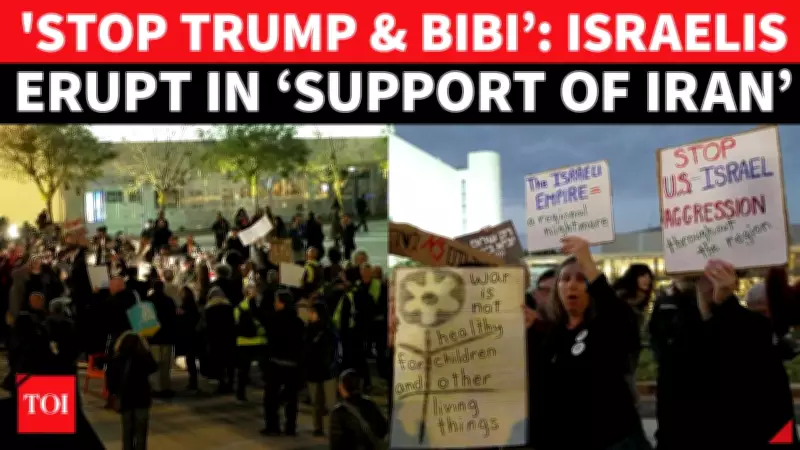
Israeli Prime Minister Benjamin Netanyahu is facing escalating internal opposition as the nation's military campaign against Iran intensifies, entering its second week. The growing discontent manifested dramatically in Tel Aviv, where hundreds of demonstrators gathered at Habima Square to voice their opposition to Israel's ongoing strikes on Iran.
Deep Societal Divisions on Full Display
The protest, which briefly turned tense and confrontational, highlighted the profound fractures within Israeli society regarding the government's military strategy. Pro-war supporters and anti-war protesters clashed openly in the heart of Tel Aviv, shouting competing slogans and waving banners that reflected starkly opposing viewpoints on national security and military action.
Security forces were compelled to intervene actively, stepping in to separate the rival groups and prevent what could have escalated into a more serious confrontation. The scene at Habima Square became a microcosm of the broader national debate, with emotions running high on both sides of the ideological divide.

Pro-War Defenders and Anti-War Critics Clash
Supporters of the Israeli government's military actions defended the strikes against Iran as absolutely necessary for national security, arguing that preemptive measures are essential to protect Israeli citizens from potential threats. Meanwhile, anti-war protesters condemned what they view as an aggressive and escalatory military campaign that risks drawing Israel into a broader regional conflict.
The demonstration was notable for its diverse participation, including groups identifying with various political and social movements within Israel. The gathering underscored how the conflict with Iran has become a flashpoint for deeper societal tensions that extend beyond immediate military concerns.
Netanyahu's Political Challenges Intensify
As the war enters its second week, Prime Minister Netanyahu finds himself navigating not only military challenges but also mounting domestic political pressure. The protest in Tel Aviv represents just one manifestation of the growing anger against his leadership, with critics questioning both the strategic wisdom and humanitarian consequences of the ongoing military campaign.
The confrontation at Habima Square serves as a powerful reminder that internal divisions may prove as challenging for the Israeli government to manage as the external conflict with Iran. As security forces work to maintain order on the streets, political leaders face the complex task of addressing both security imperatives and domestic dissent.