Nepal Prime Minister Seeks Military Support for Crucial Elections
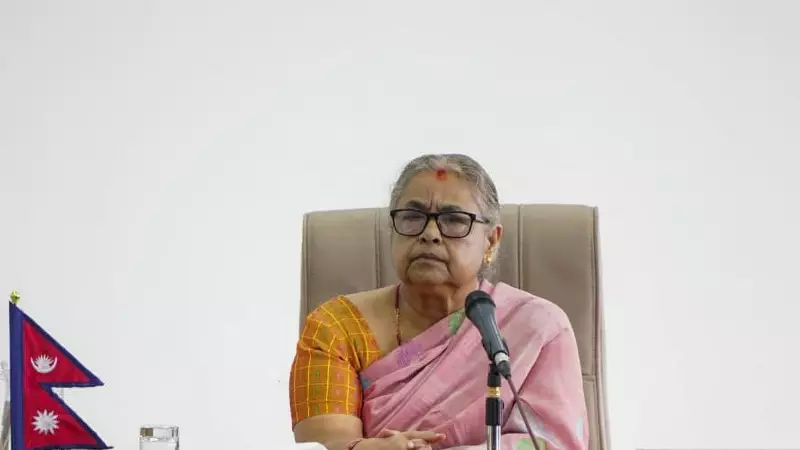
In a significant move to ensure political stability, Prime Minister Sushila Karki made an official visit to the Nepal Army Headquarters on Friday, November 29, 2025, where she called upon the military to take primary responsibility for securing peaceful parliamentary elections scheduled for March 5, 2026.
National Responsibility and Security Arrangements
The newly appointed Prime Minister, who assumed office following the recent Gen-Z movement in early September, emphasized that conducting the elections on time represents a critical national responsibility that her administration has committed to fulfill. During her address to army officials, Karki stressed that the military must play a pivotal role in delivering elections "without any violence" and ensure the voting process occurs in what she described as a "fair and fearless atmosphere."
Karki's remarks indicated a notable shift in security protocol, suggesting that the Nepal Army would now lead security arrangements, with the Armed Police Force and Nepal Police providing supporting roles. This represents a departure from previous election security frameworks where police forces typically took the lead.

Political Challenges and Election Timeline
The Prime Minister's visit comes against a backdrop of significant political challenges. Several major political parties have continued their non-cooperation movement, with some factions refusing to recognize the current government's legitimacy. This political standoff has raised serious doubts about whether the election deadline can be met without broader political consensus.
Despite these challenges, Karki remained firm in her commitment to the election schedule. She specifically instructed the army to guarantee that "not a single drop of blood is spilled, or anyone injured" during the electoral process. The Prime Minister also sought assurances from military leadership that normal political activities and public movement would not be unnecessarily restricted, even as certain political leaders and officials face security limitations.
The successful conduct of these elections is seen as crucial for Nepal's democratic stability, particularly following the political upheaval triggered by the Gen-Z movement that brought Karki's government to power. All eyes now remain on how the Nepal Army will respond to this direct appeal from the Prime Minister and whether political parties will eventually cooperate to ensure a smooth electoral process.