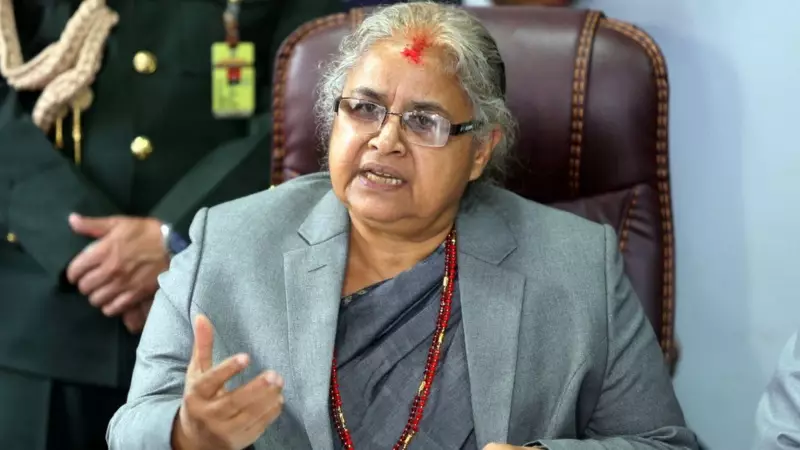
In a significant move to foster political stability, Nepal's newly appointed Prime Minister, Bhim Bahadur Rawal (Karki), has initiated crucial dialogues with the country's three prominent former premiers. The meetings, held on Saturday, aimed at creating a conducive atmosphere for the upcoming electoral processes.
Key Meetings with Former Leaders
Prime Minister Karki held separate discussions with CPN-UML Chairman KP Sharma Oli, CPN (Maoist Centre) Chairman Pushpa Kamal Dahal 'Prachanda', and Nepali Congress President Sher Bahadur Deuba. The central agenda of these talks was to seek their cooperation and collective commitment towards ensuring a peaceful, fair, and democratic environment for future elections.
According to sources, the Prime Minister emphasized the need for all major political forces to collaborate in upholding democratic norms. He stressed that a harmonious political climate is essential for the credibility of any electoral exercise and for strengthening the nation's democratic foundations.

A Push for Political Consensus
The meetings are seen as a proactive step by PM Karki, who assumed office recently, to bridge political divides. Engaging with leaders who have historically been both allies and rivals indicates an effort to build a broader consensus on fundamental democratic processes beyond immediate partisan interests.
This outreach is particularly vital given Nepal's history of political turbulence surrounding elections. By directly appealing to the experience and influence of these former prime ministers, Karki's administration hopes to pre-empt potential conflicts and foster a sense of shared responsibility for the nation's democratic health.
Context and Implications
The call for a conducive election environment comes at a critical juncture in Nepali politics. While no immediate election date has been announced, the political landscape requires careful navigation. The involvement of Oli, Prachanda, and Deuba—leaders representing the largest political parties—is crucial for any nationwide political agreement to hold.
Analysts view this as a confidence-building measure. A public commitment from these stalwarts to support a free and fair poll could significantly reduce tensions and set a positive precedent for political conduct. The success of this initiative could define Prime Minister Karki's tenure as one focused on institutional stability and democratic consolidation.
The response from the former prime ministers, as reported, has been generally positive, with all leaders expressing their commitment to democratic values. However, the true test will lie in the practical actions of their respective parties in the coming months.
This diplomatic outreach by PM Karki underscores the understanding that in a vibrant democracy like Nepal's, the responsibility for safeguarding electoral integrity is a collective one, extending beyond the government of the day to encompass the entire political spectrum.