Iran's Escalating Drone Campaign in Arab Nations
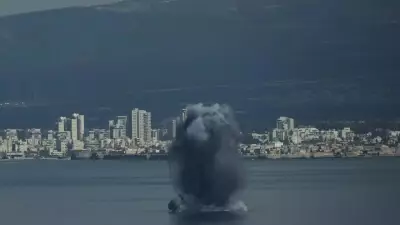
In a stark demonstration of modern warfare tactics, Iran has been deploying low-cost drones in attacks across Arab countries, with a recent incident in Bahrain capturing global attention. A video from the capital city of Manama vividly documents the assault on a high-rise residential building, where a triangular drone is seen crashing into the structure's side. The impact immediately triggers a fierce fire and sends debris flying through the air, underscoring the destructive potential of these affordable aerial weapons.
The Manama Attack: A Case Study in Drone Warfare
The attack in Manama serves as a poignant example of Iran's strategic shift towards utilizing inexpensive drones in regional conflicts. The triangular design of the drone, often associated with Iranian-made models, allows for stealth and precision, enabling strikes on urban targets like residential buildings. This incident not only caused significant property damage but also raised alarms about civilian safety and the broader implications for Middle Eastern stability.
Experts suggest that Iran's reliance on cheap drones is a calculated move to project power while minimizing costs. These drones, which can be mass-produced at a fraction of the price of traditional military aircraft, offer a cost-effective means of conducting asymmetric warfare. By targeting Arab nations, Iran aims to assert its influence in the region, often in response to geopolitical tensions or as part of proxy conflicts.
Regional and Global Implications
The use of drones in attacks like the one in Manama has far-reaching consequences. For Arab countries, it represents a direct security threat, necessitating enhanced defense measures and international cooperation. The debris and fires from such strikes can lead to casualties and disrupt daily life, as seen in Bahrain. Globally, this trend highlights the evolving nature of warfare, where non-state actors and nations alike can leverage affordable technology to wage conflicts.
As reported by the International New York Times, this incident occurred on March 2, 2026, at 05:39 IST, emphasizing the timeliness and urgency of the issue. The proliferation of drone technology in the Middle East could escalate existing conflicts, making diplomatic efforts more critical than ever. Observers warn that without robust countermeasures, such attacks may become more frequent, destabilizing the region further.
In conclusion, Iran's deployment of cheap drones into Arab countries, as evidenced by the Manama attack, marks a significant shift in regional military dynamics. The visual evidence from the video underscores the tangible risks posed by these weapons, calling for increased vigilance and international dialogue to address this growing threat.