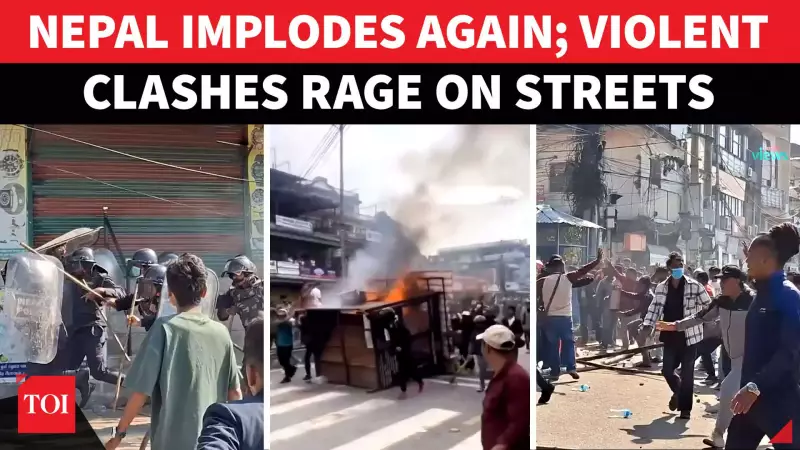
Nepal's Bara district has been plunged into renewed turmoil as Gen Z protesters returned to the streets, triggering violent clashes with security forces and leading authorities to impose strict curfew measures.
Curfew Imposed Amid Escalating Violence
Authorities in Nepal's Bara district have declared a curfew from 1 pm to 8 pm after Gen Z demonstrators clashed with CPN-UML cadres and police forces. The situation turned particularly volatile in Simara, where protesters directly confronted law enforcement personnel.
Police resorted to using teargas to disperse the crowds as public safety concerns mounted. This marks the second major outbreak of youth-led protests in recent months, following similar violent demonstrations in September that ultimately led to the collapse of the previous government.

Political Tensions Ahead of Elections
The timing of these protests is significant, occurring against the backdrop of upcoming March 2026 elections. The recurring clashes underscore the growing political divisions within Nepal and highlight the increasing influence of the country's youth population in shaping political discourse.
Officials maintain that the curfew measures are necessary to restore order and ensure public safety. However, the repeated nature of these protests suggests deeper underlying issues that remain unaddressed in Nepal's political landscape.
Pattern of Youth-Led Unrest
This latest episode continues a pattern of youth activism that has been gaining momentum in Nepal. The September protests that toppled the previous government demonstrated the power of Gen Z mobilization, and the current unrest indicates that the same energy and demands persist.
The use of lethal force by police and the imposition of curfew measures reflect the seriousness with which authorities are treating the situation. As tensions continue to simmer, all eyes remain on how the government will address the concerns driving these repeated protests.