Myanmar stands at a critical political crossroads as the military junta prepares to conduct what experts are calling a sham election in 2025. The planned polls appear designed to provide a democratic facade while permanently entrenching military rule, pushing the nation deeper into turmoil.
The Junta's Electoral Strategy
The military regime, which seized power in a February 2021 coup, is systematically preparing for elections that lack genuine democratic participation. According to political analyst K S Tomar, whose analysis was published on November 27, 2025, the junta is using these elections as a tool to legitimize its extended rule rather than restore civilian government.
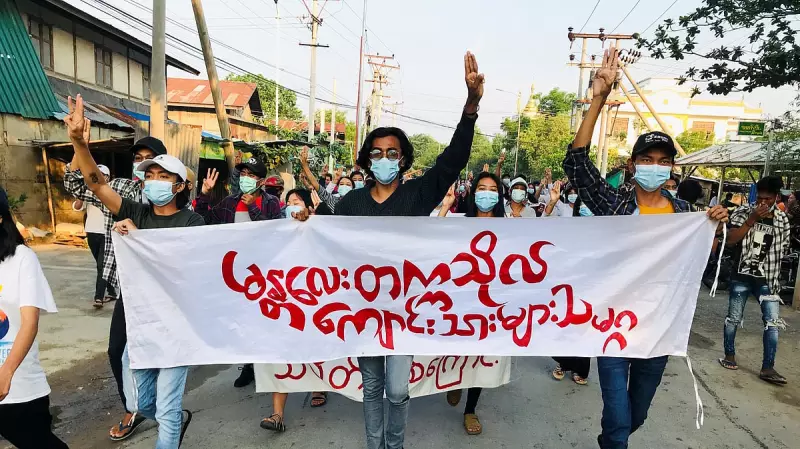
Multiple reports indicate that the military has suppressed all meaningful political opposition through arrests, intimidation, and legal restrictions. The National League for Democracy, the party of ousted leader Aung San Suu Kyi, has been effectively dismantled, with most senior leaders either imprisoned or in exile.
Democracy as Casualty
The upcoming elections represent a severe blow to Myanmar's fragile democratic institutions. Rather than serving as a pathway to restoration of civilian rule, the electoral process has become another instrument of authoritarian control.
International observers have noted that the junta has rewritten electoral laws to guarantee military dominance regardless of voting outcomes. The constitution already reserves 25% of parliamentary seats for military appointees, providing an automatic veto over constitutional changes.
Regional Implications and International Response
The political crisis in Myanmar has significant implications for regional stability in Southeast Asia. Neighboring countries, including India and Thailand, face challenges related to refugee flows, border security, and disrupted trade routes.
The international community remains divided in its response. While Western nations have imposed sanctions, regional powers have pursued engagement strategies that critics argue have failed to curb the junta's authoritarian tendencies. The November 2025 analysis suggests this division has emboldened the military leadership to proceed with its electoral plans despite widespread opposition.
As Myanmar approaches these controversial elections, the prospects for genuine democracy appear increasingly remote. The military's determination to maintain power through controlled elections suggests the nation faces prolonged political instability and human rights challenges.