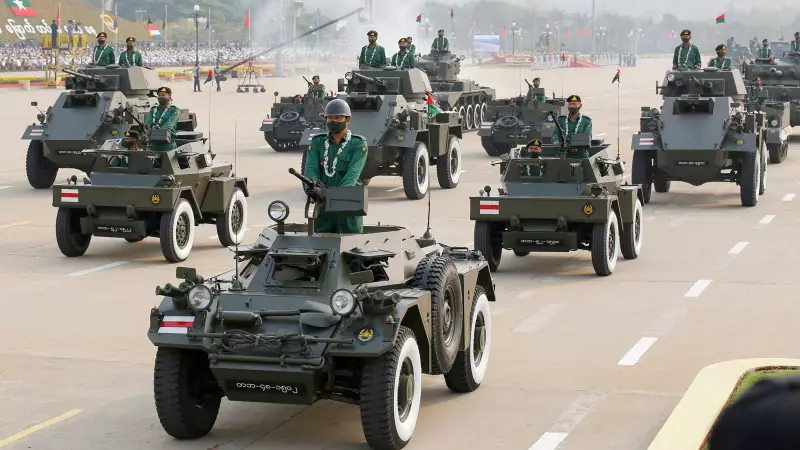
In a significant political move ahead of scheduled elections, Myanmar's military government has granted mass amnesty to thousands of prisoners across the country. The amnesty, announced on Wednesday, marks one of the largest prisoner releases since the military seized power in February 2021.
Details of the Amnesty Announcement
The military administration, officially known as the State Administration Council, confirmed the release of over 3,000 prisoners from various detention facilities nationwide. According to official statements, the amnesty was granted on humanitarian grounds and as part of efforts to maintain peace and stability in the country.
This development comes at a crucial time for Myanmar's political landscape. The military government has announced plans to conduct general elections in 2025, though specific dates remain unconfirmed. This prisoner release follows a pattern of similar amnesties that typically precede major political events in the country.
International Response and Human Rights Concerns
International observers and human rights organizations have responded cautiously to the announcement. While welcoming any release of prisoners, many experts question the timing and scope of the amnesty. Human rights groups have consistently documented that Myanmar's prisons hold thousands of political detainees arrested since the military takeover.
The United Nations and various Western nations have repeatedly called for the unconditional release of all political prisoners in Myanmar. However, the military government has maintained that those detained were involved in activities that threatened national security and stability.
Political Implications and Future Outlook
Analysts suggest this mass amnesty serves multiple purposes for the military regime. First, it potentially creates a more favorable environment ahead of the planned 2025 elections. Second, it might be an attempt to ease international pressure and improve the government's human rights image.
However, significant challenges remain. The country continues to face widespread armed resistance to military rule, and many opposition groups have already declared they will boycott any election conducted under the current military-drafted constitution.
The prisoner release represents a critical moment in Myanmar's ongoing political crisis. As the country moves toward the 2025 election timeline, the international community will be closely watching whether this amnesty signals genuine political reform or merely represents tactical maneuvering by the military government.