Mount Semeru Erupts: Understanding the Fury of Nature
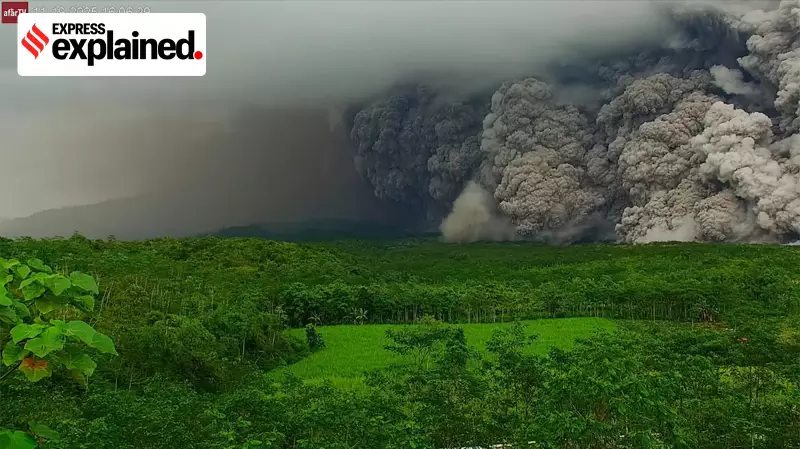
Indonesia's Mount Semeru, one of the country's most active volcanoes, erupted violently on Wednesday, spewing hot clouds of volcanic ash and debris across the surrounding landscape. The eruption serves as a stark reminder of the powerful geological forces constantly shaping our planet.
What Triggers Volcanic Eruptions?
Volcanic eruptions occur due to complex heat movements deep beneath the Earth's surface. At extreme depths within our planet, temperatures become so intense that solid rocks gradually melt, transforming into a thick, flowing substance called magma. This molten material is significantly lighter than the surrounding solid rock, causing it to rise upward through the Earth's crust.
As magma ascends, it collects in underground chambers located relatively close to the surface. When these chambers fill beyond capacity, the pressure exerted on the surrounding rock increases dramatically. Eventually, this immense pressure forces the magma through cracks and fissures in the rock, venting onto the Earth's surface in what we recognize as a volcanic eruption. Once magma reaches the surface, it becomes known as lava.

Why Are Some Eruptions More Explosive Than Others?
The explosivity of volcanic eruptions depends primarily on the composition of the magma itself. Thin, runny magma allows trapped gases to escape relatively easily, resulting in gentler eruptions where magma simply flows out of the volcano. This type of eruption is commonly observed in volcanic regions like Hawai'i.
In contrast, thick, sticky magma prevents gases from escaping, building up tremendous pressure until the volcano erupts with explosive force. These violent eruptions blast magma high into the air, where it solidifies into dangerous fragments called tephra. These fragments can range in size from fine dust particles to massive boulders as large as houses, posing significant threats to nearby communities and ecosystems.
Mount Semeru's recent eruption exemplifies this more explosive variety, characteristic of volcanoes with viscous magma composition. Among Indonesia's 120 active volcanoes, Semeru remains one of the most consistently active and potentially dangerous, requiring constant monitoring and preparedness from local authorities.