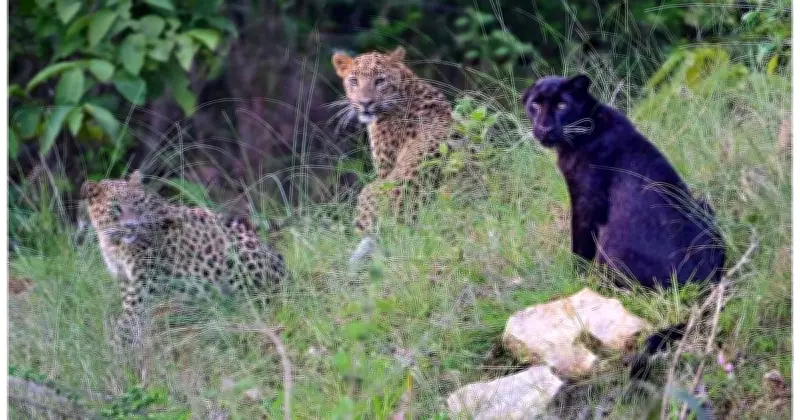
A Naturalist's Year-Long Observation of a Mother Leopard Raising Cubs in Karnataka
Over the course of more than a year, through regular morning and evening safaris, I, serving as a naturalist at a wildlife reserve in Karnataka, had the unique opportunity to closely observe a mother leopard as she raised her cubs in an ever-changing landscape. This extended period of monitoring provided deep insights into the behavioral patterns and survival strategies employed by these majestic felines in their natural habitat.
Daily Safaris Reveal Intimate Family Dynamics
The consistent routine of early morning and late evening expeditions allowed for a comprehensive study of the leopard family's daily life. From hunting techniques to territorial markings, the mother leopard demonstrated remarkable adaptability and resilience. Her cubs, often seen lounging on tree branches as captured in photographs by Kiran Patil, learned crucial skills under her watchful eye, highlighting the importance of maternal guidance in the wild.
Environmental Changes and Adaptation
Throughout this observation period, the landscape underwent significant transformations, possibly due to seasonal shifts or human influences. The mother leopard's ability to navigate these changes while ensuring the safety and development of her offspring underscores the challenges faced by wildlife in modern ecosystems. This scenario emphasizes the critical need for ongoing conservation efforts to protect such vulnerable species and their habitats.

Implications for Wildlife Conservation
The detailed account of this leopard family's journey not only enriches our understanding of leopard behavior but also serves as a poignant reminder of the fragility of wildlife in India. As naturalists and conservationists continue to document these experiences, it becomes increasingly vital to support policies and initiatives aimed at preserving biodiversity and mitigating human-wildlife conflicts.