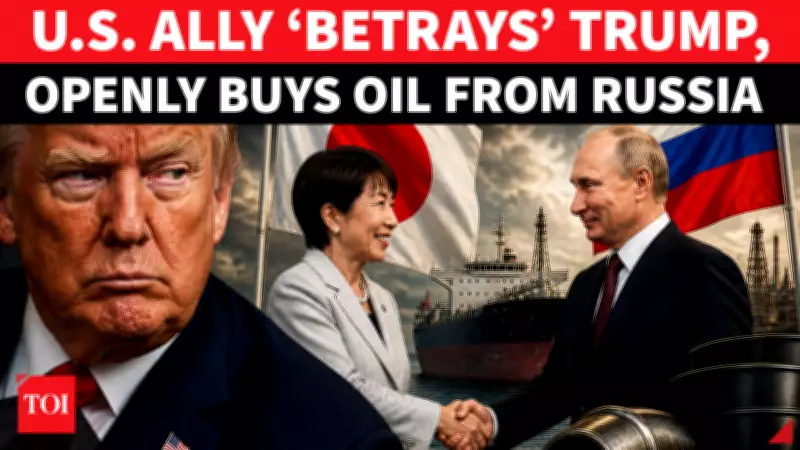
In a move that could fracture the G7's united stance against Moscow, Japan has authorized the purchase of Russian crude oil as a blockade in the Strait of Hormuz cuts off 95% of its traditional oil supply. The tanker Voyager is scheduled to dock in Shikoku on May 3, marking the first time a major US ally has openly defied the "Economic Fury" strategy aimed at isolating Russia. This decision comes as Tokyo faces the threat of a domestic energy collapse, raising questions about a potential diplomatic rift between Japan and the United States.
Background of the Crisis
The Strait of Hormuz blockade, which has strangled Tokyo's economy, forced Japan to seek alternative energy sources. With 95% of its usual oil supply disrupted, the Japanese government opted to purchase Russian crude, a direct challenge to the US-led sanctions regime. The Voyager tanker's arrival in Shikoku is expected to signal a shift in Japan's energy policy and its alignment with Western allies.
Implications for G7 Unity
This development could undermine the G7's cohesive front against Russia, as other member nations may reconsider their own energy strategies. Japan's move highlights the growing tension between economic necessity and geopolitical alliances, particularly as the blockade continues to impact global energy markets.

- Energy Security: Japan's reliance on Russian oil underscores the vulnerability of nations dependent on Middle Eastern transit routes.
- Diplomatic Fallout: Washington may view Tokyo's decision as a betrayal, potentially straining bilateral relations.
- Global Impact: Other US allies might follow Japan's lead, further eroding the effectiveness of sanctions.
Reactions and Future Outlook
Analysts are closely watching how the US and other G7 members respond. While Japan insists the purchase is a temporary measure to avert an energy crisis, critics argue it sets a dangerous precedent. The situation remains fluid, with potential repercussions for international trade and security in the region.