Japan Cancels Mount Fuji Cherry Blossom Festival Over Unruly Tourist Behavior
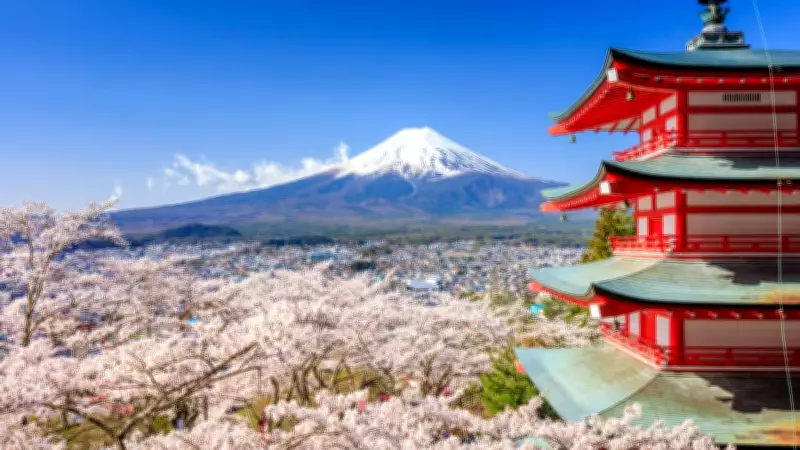
In a significant move, officials in Fujiyoshida, a city in central Japan, have announced the cancellation of the annual cherry blossom festival at Arakurayama Sengen Park. This decision comes after a decade-long tradition, citing severe disruptions caused by tourist misconduct that has escalated in recent years.
Disruptive Incidents Lead to Festival Cancellation
City authorities detailed a pattern of unruly behavior from visitors, which has made the festival unsustainable. According to an official statement, incidents include:
- Entering private homes without permission to use toilets
- Trespassing on residential properties
- Littering in public and private areas
- Defecating in private yards and causing disturbances when confronted by residents
Mayor Shigeru Horiuchi emphasized the strain on local life, stating, "Behind Mount Fuji's beautiful landscape is the reality that the quiet lives of citizens are threatened. We have a strong sense of crisis." He added that the decision to end the 10-year-old festival was necessary to protect the dignity and living environment of the community.

Safety Concerns and Tourist Surge
Beyond property violations, safety issues have arisen, particularly for children. Reports indicate that students walking to school have been shoved aside as tourists overcrowd narrow sidewalks, raising alarms among parents. During peak blossom season, the city experiences over 10,000 visitors daily, a surge attributed to a weak yen and social media-driven popularity.
Although the festival has been canceled, Arakurayama Sengen Park is still expected to attract large crowds in April due to its iconic view of Mount Fuji. Visitors often wait for hours to access the site, prompting the city to implement measures such as increased security, temporary parking spaces, and portable toilets to manage the influx.
Broader Context of Overtourism in Japan
Cherry blossom season, known as hanami or "looking at flowers," is a major travel period in Japan, drawing both domestic and international tourists to scenic spots nationwide. The country has seen a sharp rise in tourism, fueled by social media exposure and favorable exchange rates, with destinations like Mount Fuji and Kyoto facing significant overcrowding.
Japan is not alone in grappling with overtourism. For instance, Italian authorities recently introduced a €2 entry fee for the viewing area around Rome's Trevi Fountain to control visitor numbers and fund maintenance, highlighting a global trend of managing tourist impacts on historic sites.
This cancellation underscores the challenges of balancing tourism benefits with community well-being, as local authorities prioritize resident safety and quality of life over event-driven attractions.