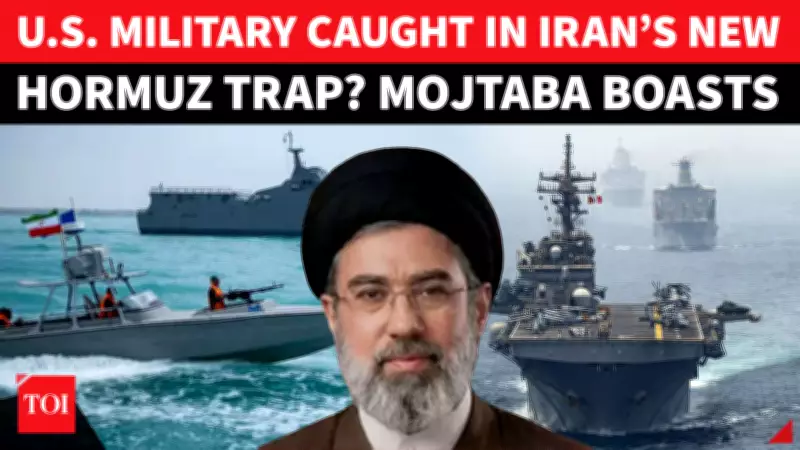
Iran has unveiled a striking new doctrine regarding the Strait of Hormuz, one of the world's most critical oil chokepoints. In a Persian Gulf Day statement, Mojtaba Khamenei signaled a shift from a reactive stance to what Iranian media describes as 'proactive control' over the strategic waterway that carries a significant share of global energy supplies.
Key Elements of the New Doctrine
According to reports, the plan includes collecting transit revenues in Iranian currency, imposing compensation on countries deemed hostile, and placing the Iranian armed forces in full charge of operations in the strait. Tehran is also said to be exploring a joint administrative framework with Oman, while rejecting any external role—particularly that of the United States—in the region.
Implications for Global Energy
The Strait of Hormuz is a vital passage for oil tankers, and any changes in its governance could have significant implications for global energy markets. Iran's new stance aims to assert greater control over the waterway, potentially affecting shipping and trade flows.

The announcement comes amid heightened tensions between Iran and the United States, with both sides exchanging threats and warnings. Iran's move is seen as a direct challenge to US influence in the region, as Tehran seeks to consolidate its authority over the strait.