A devastating fire that ripped through a Hong Kong housing complex has become the city's deadliest blaze in generations, claiming numerous lives and exposing critical safety failures in building management and emergency protocols.
The Tragedy Unfolds at Wang Fuk Court
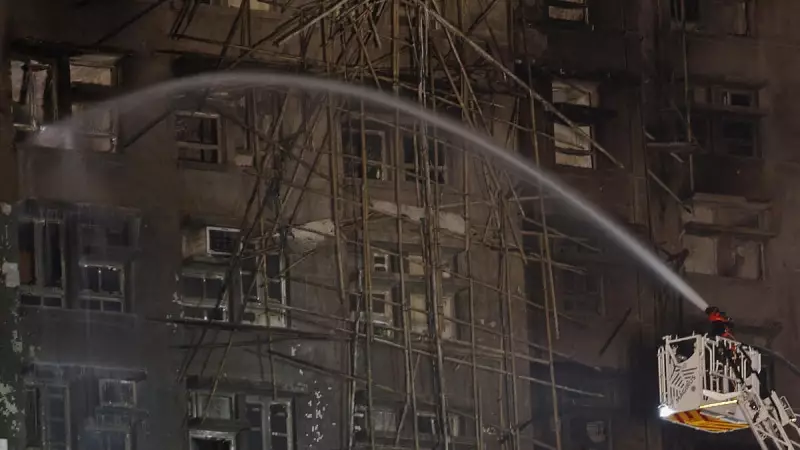
Hundreds of firefighters battled relentlessly for over 24 hours to contain the flames that engulfed three buildings within the Wang Fuk Court residential complex in Tai Po district. The fire initially broke out on Wednesday afternoon and continued burning through the following day, testing the limits of Hong Kong's emergency response capabilities.
The scale of the disaster became apparent as emergency crews worked through the night, with the complexity of the blaze requiring unprecedented coordination between multiple firefighting units. The Wang Fuk Court complex, a residential development housing hundreds of families, became the scene of one of Hong Kong's most tragic urban disasters in recent memory.

Emergency Response and Ongoing Operations
Firefighting operations continued uninterrupted for more than a day as crews faced challenging conditions within the multi-building complex. The persistence of flames 24 hours after the initial outbreak highlighted both the intensity of the fire and the determination of emergency personnel to bring the situation under control.
The massive deployment of hundreds of firefighters represented one of Hong Kong's largest emergency responses to a building fire. Their efforts focused on containing the blaze while conducting search and rescue operations for trapped residents, though the exact number of casualties remained under assessment as operations continued.
Scrutiny Turns to Safety Standards
As the emergency response continued, preliminary investigations and public attention turned to potential safety lapses that may have contributed to the scale of the tragedy. The fire has ignited serious concerns about building safety regulations, fire prevention measures, and emergency preparedness in Hong Kong's densely populated residential areas.
This catastrophic event has prompted immediate calls for comprehensive safety reviews across similar housing developments in the region. Questions are being raised about compliance with fire safety codes, the adequacy of evacuation procedures, and the maintenance of safety equipment in residential complexes.
The International New York Times reported the ongoing developments as of November 27, 2025, with the tragedy expected to have lasting implications for building safety standards and emergency response protocols throughout Hong Kong and potentially across the region.