Heavy monsoon rains have triggered devastating flash floods and landslides on Indonesia's Sumatra island, resulting in significant casualties and widespread destruction. The disaster has claimed at least 19 lives while leaving dozens more missing as rescue teams battle challenging conditions to reach affected areas.
Emergency Response and Rescue Operations
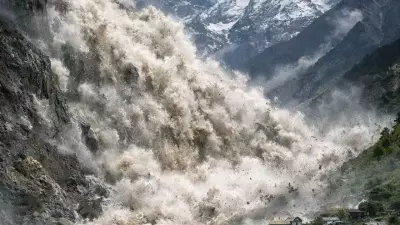
Local disaster officials confirmed that the torrential rains caused rivers to overflow their banks, sending powerful torrents of water and mud crashing through villages in West Sumatra province. The worst-affected area appears to be Padang Pariaman regency, where most casualties have been reported.
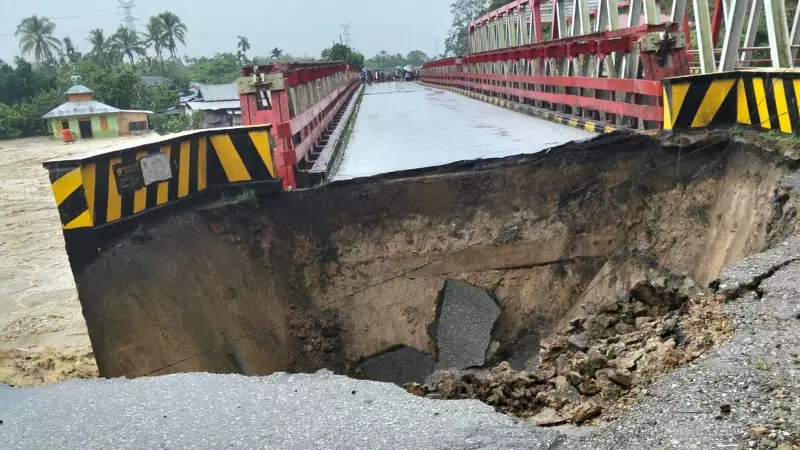
Rescue teams comprising police, military personnel, and local volunteers have been working tirelessly since Sunday to search for survivors. Their efforts have been severely hampered by damaged infrastructure, including collapsed bridges and roads blocked by debris. Heavy equipment has been deployed to clear access routes to isolated communities cut off by the disaster.
National Disaster Management Agency (BNPB) spokesperson Abdul Muhari stated that emergency response teams are focusing on evacuation and search operations while simultaneously providing immediate assistance to displaced residents. Temporary shelters have been established to accommodate those who lost their homes in the disaster.
Impact on Local Communities
The flash floods and landslides have caused extensive damage to residential areas, agricultural land, and public infrastructure. Early assessments indicate that hundreds of homes have been damaged or completely destroyed by the powerful water currents and mudslides.
Local authorities report that the flooding has submerged entire villages under muddy water, forcing residents to flee to higher ground with only the belongings they could carry. The disaster has also devastated farmland, raising concerns about food security in the region following the destruction of crops and livestock.
Medical teams have been dispatched to affected areas to provide emergency healthcare services and prevent the outbreak of waterborne diseases. The health department is particularly concerned about the potential spread of infections due to contaminated water sources and poor sanitation conditions in temporary shelters.
Regional Climate Patterns and Preparedness
Indonesia frequently experiences severe weather events during the annual rainy season, with the archipelago nation's topography making it particularly vulnerable to floods and landslides. The current disaster highlights the ongoing challenges faced by authorities in disaster-prone regions.
Meteorological agencies had issued warnings about potential extreme weather conditions in the lead-up to the disaster. The heavy rainfall that began on Saturday intensified throughout the weekend, ultimately triggering the deadly natural events that have left communities reeling.
This latest tragedy follows similar disasters in recent years across Indonesia, raising questions about deforestation, urban planning, and disaster preparedness in vulnerable regions. Environmental experts have repeatedly warned that climate change is increasing the frequency and intensity of such extreme weather events across Southeast Asia.
As search and rescue operations continue, authorities are urging residents in nearby areas to remain vigilant and prepared for potential evacuation as the rainy season continues. The government has mobilized additional resources to support relief efforts and begin assessing the long-term recovery needs of affected communities.