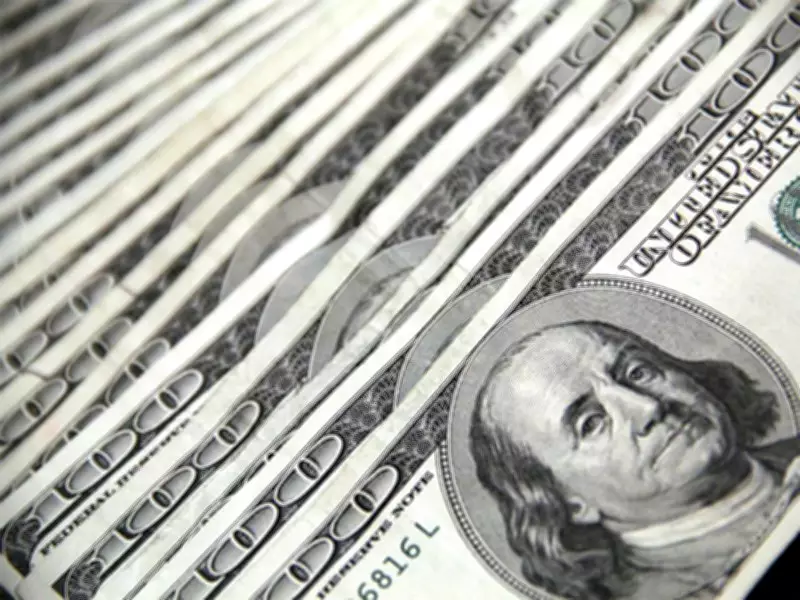
The escalating conflict between the United States and Iran under the Trump administration has raised questions about the future of the US dollar as the world's primary reserve currency. Analysts suggest that the aggressive US foreign policy, including sanctions and military threats, could accelerate the process of de-dollarisation, where countries seek alternatives to the dollar for international trade and financial transactions.
Historical Context of Dollar Dominance
Since the Bretton Woods Agreement in 1944, the US dollar has been the cornerstone of global finance. It is used in approximately 88% of all foreign exchange transactions and accounts for nearly 60% of global foreign exchange reserves. This dominance has given the United States significant economic and political leverage, allowing it to impose sanctions that can cripple other economies.
Impact of US Sanctions on Iran
The Trump administration's withdrawal from the Iran nuclear deal in 2018 and the reimposition of sanctions have severely impacted Iran's economy. However, these actions have also prompted other nations to reconsider their reliance on the dollar. Countries like China, Russia, and members of the European Union have been exploring alternative payment systems and currency arrangements to bypass US-controlled financial networks.

Signs of De-dollarisation
Several recent developments indicate a shift away from the dollar. China and Russia have increased their use of the yuan and ruble in bilateral trade. The European Union has established a special purpose vehicle (SPV) called INSTEX to facilitate trade with Iran without using the dollar. Additionally, central banks around the world have been diversifying their reserves, reducing their holdings of US Treasuries.
Potential Consequences for the US
If de-dollarisation gains momentum, the United States could face higher borrowing costs, reduced influence over global financial systems, and a weaker economy. The ability to impose sanctions would be diminished, as countries would have alternatives to the dollar. However, the process is likely to be gradual, given the deep-rooted infrastructure and trust in the US financial system.
Conclusion
While Trump's war with Iran may not immediately topple the dollar's supremacy, it has certainly highlighted the vulnerabilities of a dollar-centric system. The push for de-dollarisation is a long-term trend that could reshape global economic power dynamics. The US must consider the geopolitical consequences of its foreign policy, as actions taken today may accelerate the decline of the very instrument that has underpinned its global leadership.